In industrial systems, oil is often thought of merely as a lubrication element, but it is actually a fundamental component that directly affects the healthy operation of the system. In hydraulic circuits, mechanical transmission organs, and continuously operating machines, oil not only reduces friction but also carries the heat generated. Therefore, controlling oil temperature is a critical necessity in terms of system performance and equipment lifespan.
The increasing oil temperature during operation negatively affects the physical and chemical properties of the oil over time. Changes in viscosity accelerate wear in system components by reducing the fluidity and film-forming capability of the oil. As a result, sealing problems, performance losses, and unexpected failures may occur. Oil coolers with fans help prevent this negative process by keeping the oil at its ideal operating temperature.
The critical role of fan oil coolers is not limited to cooling the oil. Maintaining the temperature balance within the system increases overall operational stability and allows equipment to exhibit more predictable performance. Especially in applications that operate continuously for long periods, reducing temperature fluctuations offers significant advantages for production continuity.
Additionally, fan oil coolers stand out by providing solutions without the need for external and complex cooling infrastructures. These systems, which use ambient air as a cooling medium, are considered easy solutions to install and operate due to their simple structures. This makes fan oil coolers not just auxiliary equipment, but a strategic component that supports the reliability of the system.
As a result, fan oil coolers contribute to longer-lasting operation of equipment, extended maintenance intervals, and reduced operational risks. With these features, they are considered one of the indispensable parts of modern industrial systems.
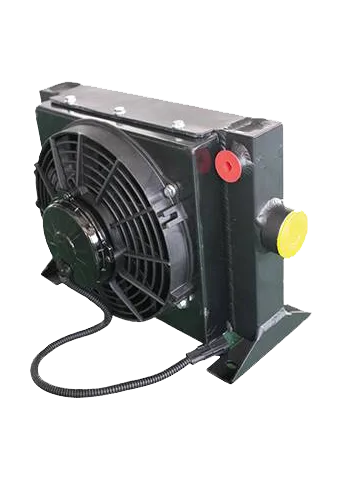
The operating principle of fan oil coolers is based on a quite simple and direct logic, unlike complex systems. The oil circulating within the system carries the heat generated during operation, and this heat is transferred to the ambient air through cooling surfaces. The fan structure is the key element that ensures the continuity and efficiency of this heat transfer. As the oil flows through the cooling pipes, it comes into contact with the surfaces and releases the heat it carries to these surfaces. Simultaneously, the airflow directed by the fan passes over the cooling elements, facilitating the removal of this heat from the environment. This mutual interaction helps keep the oil temperature under control and supports the balanced operation of the system. The continuous and controlled realization of heat transfer plays a significant role in preventing the overheating of the oil.
One of the main advantages of heat transfer in fan oil coolers is that it does not require an additional cooling fluid. Air, as a natural and universally available resource, is included in the cooling process. This simplifies the system structure and eliminates potential leakage, corrosion, or plumbing issues. Thus, a more reliable and user-friendly cooling solution emerges.
The effective operation of the heat transfer logic is directly related to the overall design of the system. The balanced circulation of oil within the cooler and the proper direction of airflow are important factors that determine cooling performance. Fan oil coolers are preferred at this point for their flexible designs that can adapt to different applications. Generally speaking, fan oil coolers operate with a simple yet effective heat transfer principle, providing reliable temperature control in industrial systems. This approach contributes to the long-term stable operation of systems and supports operational efficiency.
Industrial Advantages of Air-Cooled Systems
The most fundamental features expected from cooling systems in industrial applications are reliability, practicality, and sustainable performance. Fan oil coolers with an air-cooled structure offer a simple and effective solution to these expectations. Their use of ambient air directly as a cooling source makes these systems advantageous for many industrial applications. One of the most important advantages of air-cooled systems is that they do not require additional infrastructure. This structure, which does not use water, glycol, or similar auxiliary fluids, eliminates plumbing complexity. Thus, the installation process is completed more quickly, and the system commissioning phase is simplified. At the same time, risks such as leaks, scaling, or chemical interactions that may be encountered during operation are significantly reduced.
Maintenance processes in industrial environments are among the factors that directly affect production continuity. Air-cooled fan oil coolers provide an advantage in this regard due to their low maintenance needs. The absence of complex maintenance procedures, aside from regular cleaning and simple checks, means time and cost savings for businesses. Another important advantage is the system's adaptability to environmental conditions. Air-cooled fan oil coolers offer flexible usage options in different operating environments. Their ability to be preferred in a wide range of applications, from enclosed spaces to open fields, makes these systems attractive from an industrial perspective. Especially for mobile equipment and relocating machines, the air-cooled structure provides significant flexibility.
Finally, air-cooled fan oil coolers contribute to controlling energy and operating costs. The simple operating principle and lack of additional equipment needs provide an economical solution for system owners in the long run. These features make air-cooled systems a strong alternative in industrial cooling applications.
The Contribution of Compact Structure to System Design
One of the most common constraints encountered during the design phase of industrial systems is the efficient use of available space. The compact structure of fan oil coolers offers significant flexibility to system designers at this point. These products, which can provide high cooling performance in a relatively small volume, are among the primary reasons for preference in modern machine designs. The compact design allows fan oil coolers to be directly integrated onto the machine. The absence of a separate cooling unit or additional space requirement simplifies system layout. This situation provides a significant advantage in both new projects and the revision of existing systems. Especially in production lines with limited space and in mobile applications, the compact structure offers great convenience.
The use of compact components in system design not only saves space but also facilitates the assembly process. The lightweight and balanced structures of fan oil coolers make transportation and positioning practical. This contributes to reduced installation times and accelerated commissioning processes. The compact design also helps maintain system integrity. Fewer connection points and shorter lines reduce potential leakage risks. This situation contributes to a decrease in maintenance needs and an increase in system reliability over the long term. Fan oil coolers provide a balanced solution in terms of both performance and safety with these features.
As a result, the compact design of fan oil coolers helps create a more organized, accessible, and optimized structure in industrial systems. This contribution is reflected not only in the use of physical space but also in operational efficiency.
The Role of Material Structure on Strength and Efficiency
The ability of fan oil coolers to provide long-lasting and reliable performance largely depends on the quality of the materials used. In industrial applications, cooling equipment is exposed to many challenging factors such as temperature fluctuations, vibrations, environmental influences, and continuous operating conditions. Therefore, material selection plays a decisive role not only during the production phase but throughout the entire lifespan of the system. Materials with suitable properties for heat transfer support the efficient operation of fan oil coolers. At the same time, the mechanical strength of these materials ensures that the system maintains its form against stresses that may occur during operation. It is expected that the materials used in the pipe, fin, and body structure are both suitable for heat transfer and resistant to environmental conditions.
Moisture, dust, and chemical interactions encountered in industrial environments can cause wear and tear on equipment over time. At this point, the use of corrosion-resistant materials helps maintain the performance of fan oil coolers in the long term. A durable structure reduces maintenance needs while also increasing system reliability. The material structure also affects the behavior of fan oil coolers against vibrations and mechanical stresses. A robust construction minimizes the risks of resonance and deformation that may occur during operation. This ensures that the cooling system continues to operate steadily, especially in machines that operate at a high pace.
In conclusion, the materials used in fan oil coolers are not just a structural element; they are a fundamental factor that shapes performance, durability, and efficiency together. Thanks to the right material structure, systems become more reliable, longer-lasting, and have lower operating costs.
Ease of Maintenance and Its Impact on Operational Continuity
Maintenance processes in industrial facilities are critical not only for equipment health but also for production continuity. Fan oil coolers contribute to uninterrupted operation of businesses by offering ease of maintenance due to their simple and accessible structures. The absence of complex piping and auxiliary equipment makes these systems a practical cooling solution. Maintenance processes for fan oil coolers are typically limited to basic checks and periodic cleaning operations. The air-cooled structure eliminates additional maintenance requirements such as filtering or fluid replacement. This allows maintenance plans to be more predictable and reduces the risk of unexpected downtime.
Ease of maintenance is directly related to operational continuity. Even short-term downtimes on production lines can lead to time and cost losses. The ability to quickly check fan oil coolers with simple interventions shortens maintenance time and allows systems to be restarted in a shorter period. Additionally, the robust and compact structures of fan oil coolers facilitate access during maintenance. The user-friendly positioning of the fan, motor, and connection points ensures that service operations can be carried out safely and quickly. This feature offers a significant advantage, especially in facilities with a high workload.
In conclusion, fan oil coolers are an important element that supports operational continuity due to their low maintenance needs and easily serviceable structures. With these features, they stand out as a preferred cooling solution in industrial systems aiming for long-term and stable operation.
Reliable Cooling in Challenging Operating Conditions
Industrial systems often operate under challenging environmental and operational conditions outside of ideal circumstances. High ambient temperatures, dusty air, vibrations, sudden load changes, and long operating cycles exert serious pressure on cooling systems. Fan oil coolers are among the solutions designed to provide reliable performance in such challenging conditions. The most important feature expected from cooling systems in harsh working environments is the continuity of performance. Thanks to their robust body structures and protective components, fan oil coolers resist external influences. Protective designs aimed at preventing dust and foreign substances from damaging the cooling elements contribute to the system's long-term smooth operation.
Vibrations and mechanical stresses are inevitable situations in industrial machines. Fan oil coolers can tolerate adverse conditions that may occur during operation due to their durable structures. This durability prevents fluctuations in cooling performance and helps keep oil temperatures under control. Environmental conditions can be even more variable in open area applications and mobile systems. Fan oil coolers provide a reliable solution in such applications with their structures that can adapt to different environmental conditions. Systems that use ambient air as a cooling medium perform their function without requiring additional infrastructure.
In conclusion, fan oil coolers support operational safety by providing the necessary cooling for systems even under challenging working conditions. This feature makes fan oil coolers a preferred solution in heavy-duty applications.
Technical Approach in Choosing Fan Oil Coolers
The selection of a fan oil cooler should not be regarded merely as a simple preference based on general capacity expectations. The operating conditions, system structure, and operational priorities of each industrial application are different. Therefore, the correct product selection requires a technical perspective and an application-specific evaluation. During the selection process, the system's operating arrangement, the way the oil is used, and environmental conditions should be considered together. The cooling needs of continuously operating systems are not the same as those of intermittently operating applications. Additionally, factors such as installation space, air circulation possibilities, and maintenance access also indirectly affect the performance of the fan oil cooler. Considering these elements ensures a more balanced and efficient use in the long term.
The technical approach encompasses not only the initial investment phase but also the entire service life of the product. A fan oil cooler that is not appropriately selected for the application may seem sufficient in the short term, but it can lead to performance losses and increased maintenance needs over time. Therefore, the future operating conditions of the system should also be taken into account during the selection process. When fan oil coolers are properly positioned and selected according to the application, they become a complementary element that supports system performance. Informed choices made from a technical standpoint not only extend equipment life but also ensure operational continuity.
As a result, the technical evaluation in the preference for a fan oil cooler should be seen not just as a product selection but as a strategic contribution to the overall efficiency of the system.