Introduction
Tube heat exchanger is an important component frequently used in industrial heat transfer systems that enhances efficiency. In this article, we will focus on the features that provide the efficiency increase offered by tube heat exchangers. We will also discuss their areas of use and advantages, as well as why these systems are preferred.
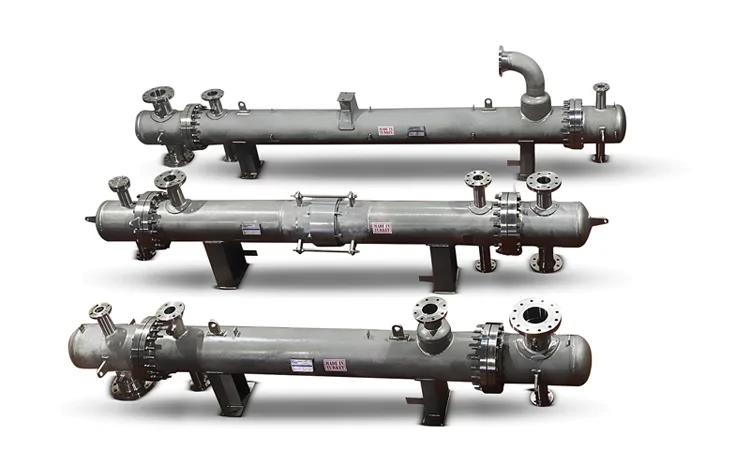
Tube heat exchangers are devices designed to facilitate the heat transfer of liquids or gases. Some fundamental features that enhance the efficiency of these devices are:
- High Heat Transfer Efficiency: Tube heat exchangers provide effective heat transfer thanks to their large surface areas.
- Durability: Typically made from metals and special alloys, tube heat exchangers are resistant to high temperatures and pressures.
- Modular Design: Tube heat exchangers can be easily customized according to different capacities and needs.
- Easy Maintenance: The tubular structure allows for quick and effective cleaning and maintenance operations.
Design Elements that Enhance Efficiency
The efficiency of tube heat exchangers is directly related not only to the materials used but also to the design elements. Here are some of these design elements:
1. Pipe Diameter and Length
The diameter and length of the pipes affect the velocity of the fluids and the temperature difference, thereby increasing heat transfer efficiency. The correct choice of diameter and length provides optimal performance.
2. Pipe Design
Pipe design allows fluids to pass without mixing. Different options such as spiral or straight designs affect heat transfer.
3. Surface Coating
In some tube heat exchangers, the use of internal surface coatings can enhance heat transfer efficiency. These coatings increase efficiency by preventing the fluid from adhering to the pipe surface.
Areas of Use for Tube Heat Exchangers
Tube heat exchangers are widely used in many industries. Here are some examples:
- Oil and gas industry
- Chemical industry
- Food processing
- Heating, ventilation, and air conditioning (HVAC)
In addition, tube heat exchangers are preferred in systems operating at high temperatures and pressures, such as power plants.
Practical Information and Tips
Here are some practical tips to enhance the efficiency of tube heat exchangers:
- Ensure proper sizing to meet the system's needs.
- Perform regular maintenance to keep the pipes clean.
- If necessary, check and replace pipe coatings.
Conclusion
Tube heat exchangers are important components that enhance efficiency in industrial heat transfer systems. Features such as high heat transfer efficiency, durability, and modular design are the main reasons for the preference of these devices. With the right design and maintenance, tube heat exchangers provide significant contributions to businesses by saving energy.