In industrial applications, energy efficiency and performance are directly related to the correct plate heat exchanger selection. Plate heat exchangers stand out with their high heat transfer efficiency and compact designs. However, some important factors must be considered when selecting such a system. In this article, we will address the key elements to consider when choosing a plate heat exchanger.
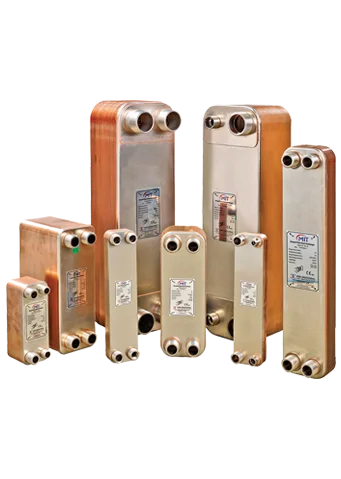
The correct selection of plate heat exchangers depends on the application area. The following points should be taken into account:
- Heat Transfer Requirement: How much heat transfer is needed in your application? This will determine the size and type of the exchanger.
- Fluid Type: The properties of the fluids to be used in the exchanger (temperature, pressure, chemical composition) play an important role in the selection.
- Operating Conditions: The environmental conditions (temperature, pressure, chemical effects) that the exchanger will be exposed to should be considered.
2. Structural Features
The structural features of plate heat exchangers are important factors that affect their performance. These features include:
- Plate Thickness: Using thin plates increases heat transfer, while thick plates can enhance durability.
- Soldering Quality: The quality of the soldering process ensures the longevity of the exchanger.
- Material Selection: Materials resistant to corrosive environments, such as stainless steel, should be preferred.
3. Energy Efficiency and Cost
The energy efficiency of plate heat exchangers directly affects operating costs. The following points should be considered when making a selection:
- Efficiency: The heat transfer efficiency of the exchanger should be high.
- Long-Term Cost: In addition to the initial investment cost, maintenance and operating costs should also be taken into account.
- Operating Time: How long the exchanger will operate is important for cost analysis.
4. Maintenance and Service Ease
The maintenance and service of plate heat exchangers are critical for their longevity and efficient operation. Points to consider include:
- Ease of Cleaning: How easy is it to clean the exchanger? Cleaning increases heat transfer efficiency.
- Availability of Spare Parts: The availability of spare parts for the exchanger speeds up maintenance processes.
- Expert Support: The presence of a good technical support team helps resolve issues quickly.
Practical Tips and Advice
Some practical tips to consider when selecting a plate heat exchanger:
- Obtain quotes from different suppliers for comparison.
- Try to make the right selection by seeking expert opinions.
- Prefer models that provide long-term energy savings.
Conclusion
There are many factors to consider when selecting a plate heat exchanger. By taking into account elements such as application area, structural features, energy efficiency, and ease of maintenance, it is possible to choose the most suitable exchanger model. The correct selection not only enhances performance but also provides energy savings. Remember, each application has different needs; therefore, you should be careful when making a selection.