Butterfly valves are a commonly preferred component for flow control in industrial applications. However, the correct selection of a butterfly valve is extremely important for the efficiency and safety of your system. In this article, we will discuss the key elements to consider when selecting a butterfly valve.
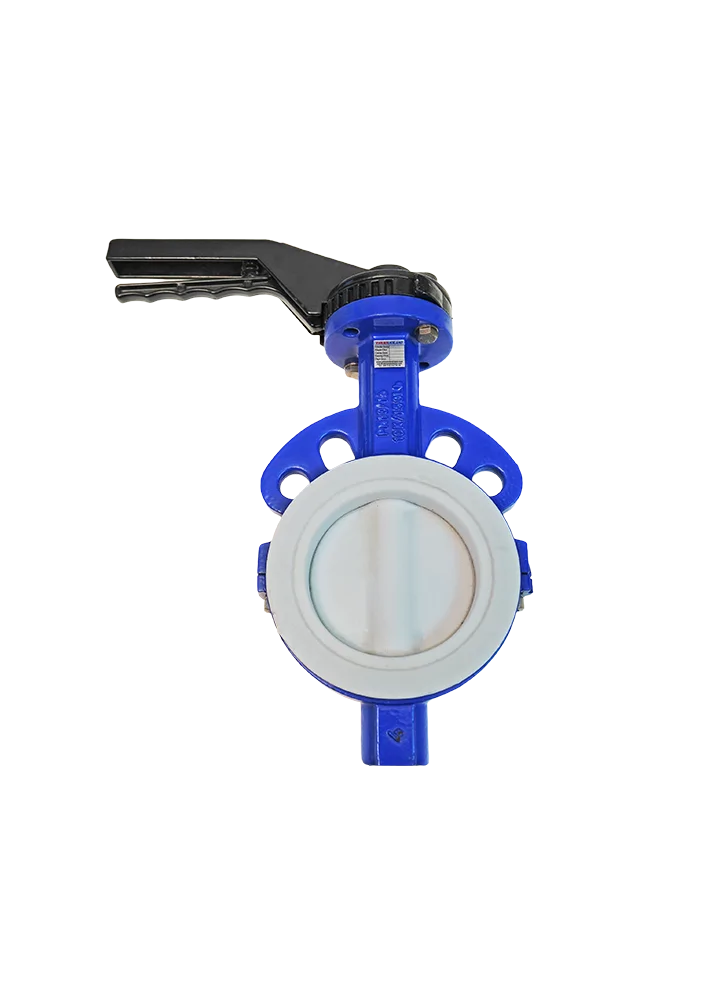
Butterfly valves are used in many industries with different types and features. When making a selection, you should consider the following elements:
- Material: The material from which butterfly valves are made is a critical factor in terms of durability and resistance to chemical effects. There are various materials such as stainless steel, PVC, and cast iron.
- Size: Choosing a butterfly valve in sizes suitable for your application ensures that the flow occurs smoothly. To determine the correct size, consider the pipe diameter in the system.
- Pressure Class: The maximum pressure that a butterfly valve can withstand varies depending on the application area. It is important to consider the pressure requirements of your application.
Technical Specifications to Consider When Selecting a Butterfly Valve
Butterfly valves can have various technical specifications. These features should be taken into account during the selection process:
- Control Type: Butterfly valves can operate with manual or automatic control systems. Automatic systems increase efficiency by offering remote control and monitoring capabilities.
- Flow Direction: Butterfly valves can be designed for unidirectional or bidirectional flow. Choose the correct flow direction according to the requirements of your application.
- Internal Structure: The internal structure of the valve affects the passage of the fluid. By choosing between straight or curved internal structures, you can enhance flow efficiency.
Application Areas and Usage Conditions
Butterfly valves are used in various application areas across many industries. Here are some examples:
- Water Treatment Plants: Commonly used to control the flow of water.
- Oil and Gas Industry: Butterfly valves play a critical role in the safe transportation of liquids and gases.
- Chemical Industry: Butterfly valves made from various materials are preferred to control the flow of chemicals.
Practical Tips and Conclusion
Here are some practical tips to keep in mind when selecting a butterfly valve:
- Determine the most suitable material type for your application.
- Increase efficiency by selecting the correct size and pressure class.
- Choose a control system that fits your needs.
In conclusion, selecting a butterfly valve is a critical step for the performance of your system. By considering the factors mentioned above, you can choose the most suitable butterfly valve for your needs and optimize your flow control system. Remember, each application is different, and with the right solutions, you can achieve successful results.