Single coil boilers are one of the most basic and commonly used solutions for hot water production. These boilers, which contain a single coil in their structure, efficiently transfer energy from the heat source into the water, providing heating for the usage water. The coil is a pipe-shaped structure within the boiler body that facilitates heat transfer. As the hot fluid from the heat source passes through this coil, it heats the clean water surrounding it, thus the stored water reaches the desired temperature.
The most important feature of single coil boilers is that they offer a simple, efficient, and low operating cost solution. Since they operate with a single heat source, they ensure a stable supply of hot water in both residential and commercial establishments. It is a reliable technology preferred especially in central systems or projects where a single energy source is sufficient.
The hygienic coatings, insulation materials, and surface quality used in the structure of these boilers play a critical role in ensuring long life and high performance. Applications such as enamel coating, polyurethane insulation, and electrostatic paint ensure that the boilers have a corrosion-resistant, hygienic, and energy-saving structure. Thus, a single coil boiler provides trouble-free use for years.
Single coil boilers are commonly used in applications such as preparing domestic hot water, small and medium-sized businesses, individual heating systems, heat pump or boiler-supported systems. Their simple structure facilitates maintenance and installation processes. Since there is only one coil, heat transfer is controlled and efficient; this provides an ideal solution, especially for meeting daily usage needs.
In today's world, where energy efficiency is becoming increasingly important, single coil boilers stand out as both an economical and sustainable alternative for hot water preparation. Users can achieve high efficiency even with a single heat source and can easily optimize their systems according to their needs.
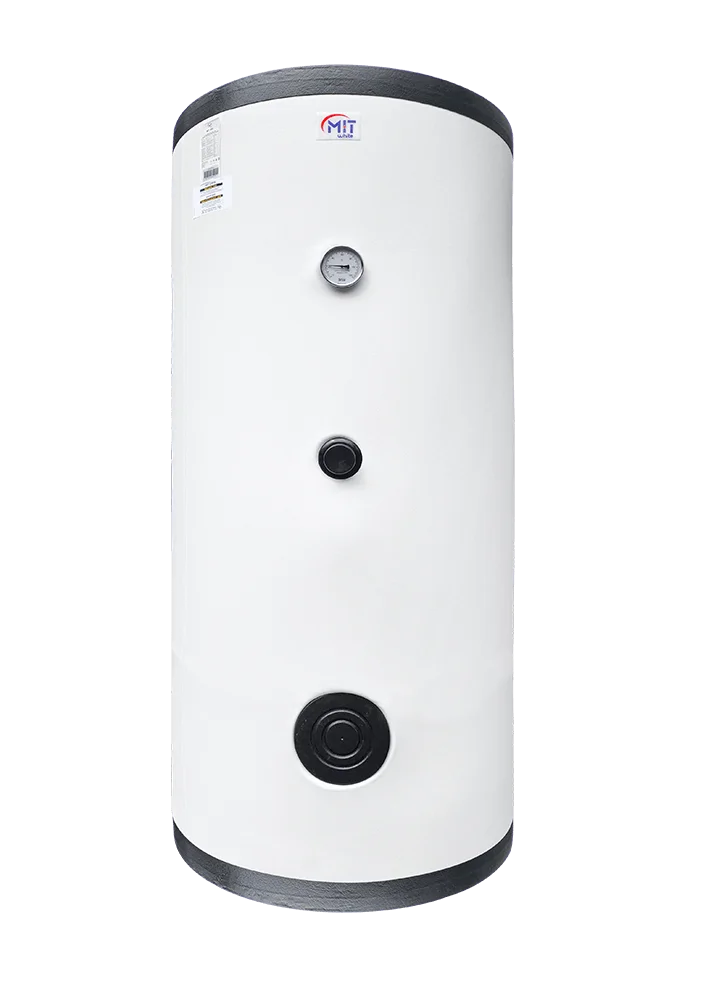
What is a Double Coil Boiler? Advantages and Areas of Application
Double coil boilers are advanced storage solutions designed to use multiple heat sources simultaneously or sequentially in hot water preparation systems. These boilers have two separate coils in their structure, and these coils work as independent circuits that transfer heat from different energy sources to the stored water. Thus, the system both increases energy efficiency and ensures the continuity of the usage hot water.
The biggest difference of double coil boilers is their capacity to manage two separate heat sources together. For example, the lower coil can be connected to a solar energy system, while the upper coil can be connected to a boiler, heat pump, or natural gas combi. During periods when solar energy is sufficient, hot water production is largely provided for free, while the second heat source kicks in when needed to support the water temperature. This structure reduces energy costs and enhances user comfort.
The enamel coating, insulation materials, and corrosion prevention applications used in the body of the boilers ensure that double coil models operate with high efficiency for many years. Hygienic inner surfaces preserve the quality of the usage water, while strong insulation materials minimize heat losses. Therefore, double coil boilers provide stable and reliable performance even in projects that require intensive use.
This type of boiler is particularly preferred by residential projects that work integrated with solar energy systems, hotels, sports facilities, industrial enterprises, heat pump-supported systems, and structures with high-capacity hot water needs. The advantage of managing two different heat sources within the same tank makes the system completely modular and flexible. Thus, both fossil fuels and renewable energy sources can be used together.
In today's world, where awareness of energy saving is increasing, double coil boilers provide significant contributions to users both economically and environmentally. Thanks to their compatibility with solar-supported systems, they offer a sustainable hot water solution. Additionally, having a backup heat source helps ensure uninterrupted hot water supply, which is a critical advantage for operational continuity, especially in commercial enterprises.
What is an Electric Boiler? Structure, Purpose of Use, and Performance Features
Electric boilers are hot water preparation equipment that operates entirely on electric energy without the need for any coil structure to heat the usage water. Unlike traditional coil boilers, these systems contain stainless steel resistors, and the water temperature is provided directly through these resistors. This structure makes electric boilers both compact and an extremely practical solution in terms of use.
These boilers, which operate on electric energy, are an ideal alternative for users who want to independently produce hot water with a single energy source. Since the energy conversion occurs directly within the water, they offer fast heating capabilities. The resistors are placed in the lower or side sections of the boiler, and the water temperature is precisely controlled via thermostats. Thus, the required temperature level is maintained safely and stably.
The double-layer enamel coating used in the structure of electric boilers creates a hygienic surface and increases the inner tank's resistance to corrosion. The outer body is protected with galvanized or special casing materials, ensuring long-lasting use. In terms of energy efficiency, strong insulation materials help reduce heat loss, keeping the water temperature stable for a long time. This offers significant advantages in both comfort and energy savings.
This type of boiler is frequently preferred in areas where natural gas infrastructure is not available, in small businesses, apartments and offices, and in facilities looking for a low-maintenance hot water solution. They operate extremely stably in buildings where electric energy is regular, and the installation process is simpler compared to other types of boilers. Additionally, thanks to their compact design, they can be easily positioned even in narrow spaces.
One of the most attractive advantages of electric boilers is that they can operate independently of any heating system. This feature provides critical reliability, especially for facilities looking for a backup hot water source. Additionally, the production of resistors from stainless materials allows them to offer safe and stable performance even during long-term operations.
Key Differences Between Single, Double Coil, and Electric Boilers
Selecting the right type of boiler in hot water preparation systems is crucial in terms of both energy efficiency and long-term operating costs. Single coil, double coil, and electric boilers are three distinct solutions developed according to different operating principles and usage purposes. These systems have significant differences in terms of structure, performance, energy source utilization, and application areas. Each type of boiler meets a wide range of needs from social life to industrial applications; however, making the right choice directly affects the efficiency obtained from the system.
Single coil boilers are the simplest and most stable models. The single coil inside connects directly to a heat source to efficiently meet hot water needs. They are generally preferred in systems that use a single energy source, such as a boiler, combi, or heat pump. Their simple structure provides convenience in terms of maintenance, installation, and use. In this respect, they are an ideal choice for both residential and small commercial establishments.
Double coil boilers, on the other hand, are a more comprehensive solution developed to increase the system's capacity and flexibility. These boilers have two independent coils, and each coil can be fed from a different energy source. For example, the lower coil can transfer heat from solar energy, while the upper coil can transfer heat from a boiler or heat pump. Thus, when one energy source is insufficient, the other energy source kicks in to ensure continuity of hot water. The ability to allow energy diversity makes double coil systems particularly advantageous in buildings with high hot water needs and in solar energy-supported projects.
Electric boilers, however, operate on a completely different principle. In these systems, which do not have coils, water is heated directly with electrical energy through stainless resistors. Since they are not dependent on any mechanical heating system, they are an independent and practical solution in terms of use. They are a reliable alternative in areas where natural gas infrastructure is lacking or in facilities looking for a backup hot water source. Additionally, the compact design of electric boilers offers a significant advantage in buildings with limited space.
When evaluating the fundamental differences between these three types of boilers, it is seen that the choice is primarily shaped by criteria such as energy source diversity, hot water needs, existing infrastructure, frequency of use, and application area. While single coil models offer a simple and economical structure, double coil boilers are an ideal solution for facilities that want to utilize renewable energy sources and provide backup. Electric boilers stand out as a practical alternative in residential and commercial areas with the advantages of energy independence and rapid heating.
Technical Criteria to Consider When Choosing a Boiler Type
The correct selection of a boiler in hot water preparation systems is a critical process that directly affects both initial investment costs and operational performance. The different operating principles of boiler types allow specific features to come to the forefront according to the needs of each structure. Therefore, when choosing a boiler, it is not sufficient to look only at capacity; existing energy sources, usage patterns, application areas, and technical requirements should be evaluated together. A well-chosen boiler ensures efficient, safe, and trouble-free operation for many years.
The first factor to be evaluated is the energy source to be used. Single coil boilers are generally used in systems that operate with a single heat source, while double coil boilers are suitable for projects where multiple energy sources can be managed. In facilities that want to utilize solar energy or require a backup energy source, the double coil structure provides significant advantages. Electric boilers offer independent and practical solutions that operate entirely on electrical energy. Therefore, existing infrastructure and future energy planning play a decisive role in the selection process.
Another important criterion is the intensity of hot water usage and the demand profile. In residential-type usage, more stable and lower-capacity systems are sufficient, while in buildings such as hotels, sports facilities, and industrial enterprises, the demand for hot water is higher and more irregular. Therefore, in such projects, boilers that provide faster recovery, support energy diversity, or have high-efficiency insulation structures should be preferred.
The choice of tank material, internal coating quality, and corrosion resistance are also critical factors in boiler selection. To obtain hygienic potable water and ensure the longevity of the tank, double-layer enamel coatings and titanium-enhanced surfaces are preferred. Additionally, cathodic protection systems help protect internal surfaces from corrosion. These technical details make a significant difference, especially in facilities with continuous use.
To reduce heat loss, the quality of insulation should also be evaluated. Quality insulation materials ensure more efficient use of energy and keep the water temperature for a long time, thereby reducing operating costs. The size of the area where the boiler will be used, ease of installation, and maintenance accessibility are also other important factors that affect the options.
Finally, it should be noted that the correct choice of boiler is not solely based on technical data. Specific needs of the application area, usage habits, energy budget, and long-term planning should be considered together. This way, both the efficiency of the system increases and operating costs are kept under control.
The Importance of Enamel Quality in Boilers
The coating and insulation materials used in boilers play a critical role in ensuring their long life, hygienic operation, and high efficiency. The types of coatings preferred on the inner and outer surfaces and the insulation properties that prevent heat loss from the tank are factors that directly determine the performance of boilers. Therefore, when selecting a boiler for both residential and industrial applications, attention should be paid not only to capacity or coil structure but also to the quality of the materials used.
The most commonly used type of coating on boiler inner surfaces is enamel coating. Enamel provides hygiene and protects the metal against corrosion by forming a glass-like layer on the steel surface. It is extremely important that the enamel coating is applied durably and smoothly on surfaces that come into contact with potable water to maintain hygiene and prevent the deterioration of water quality. Additionally, titanium-enhanced or borosilicate-based enamel structures offer longer-lasting and more chemically resistant solutions. Even a small improvement in enamel quality can significantly extend the lifespan of boilers.
Another important factor determining the efficiency of boilers is the quality of insulation. Insulation increases energy efficiency by keeping the stored hot water at an ideal temperature for a long time. In boilers with quality insulation, heat loss is minimized. This allows for reduced operating costs and enables a more comfortable use of hot water. The density, structure, and thickness of the insulation material directly affect the energy performance of boilers. Good insulation provides noticeable savings, especially in buildings with high usage intensity.
The combined evaluation of coating and insulation quality largely determines the overall durability, energy loss, and maintenance needs of boilers. A boiler that is not adequately protected against corrosion and has weak insulation experiences efficiency loss in a short period and increases operating costs. Therefore, properly selected coating materials and insulation applied to high standards are among the cornerstones of boiler technologies.
Technical Details Ensuring Longevity in MIT Boilers
The lifespan of boilers is not only determined by tank capacity or coil structure; the materials used in production, coating quality, surface preparation, and insulation standards are critical for long-term performance. MIT Boilers offer durable and efficient solutions that meet the industry's needs through production practices aimed at high quality. Every element required for a long-lasting boiler is systematically monitored from the beginning of the production process.
The first factor determining durability in MIT Boilers is the quality of the sheet material and the correct application of surface treatments. The steel sheet used in boiler production must meet certain standards in terms of form strength and coating compatibility. Using low-carbon sheet suitable for enamel coating ensures a strong bond between the surface and the coating. Thus, the tank becomes resistant to corrosion for many years.
The enamel application is one of the most important stages affecting the lifespan of the boiler. In MIT Boilers, this process is not limited to coating the inner surface; it also creates a double-layered structure that provides top-level hygiene and durability. The special surface preparation conducted before the application helps the enamel adhere perfectly to the steel surface. The detailed surface cleaning performed during this preparation process strengthens the integrity of the coating, preventing issues such as cracking, blistering, or wear in the long term.
Protecting the outer surface of boilers is as important as the inner surface. MIT prefers high-durability applications in the coating and painting processes used on the outer body. Electrostatic powder coating provides an aesthetic appearance and protects the outer surface against impacts and environmental effects. Surface preparation with iron phosphate during the production process allows the paint to adhere strongly to the surface, delaying rust formation and making the boiler's outer structure longer-lasting.
Another important factor affecting durability is the quality of insulation. The insulation materials preferred in MIT Boilers provide high efficiency and help protect the boilers from external effects. Thanks to quality insulation, heat loss is minimized, and the hot water remains stable for a long time. This is an important advantage not only in terms of energy savings but also in terms of preserving the structural integrity of the tank.
When all these production details come together, MIT Boilers stand out as systems that offer high reliability and long service life in both residential and industrial applications. Users can achieve stable performance from these boilers for years with proper installation and regular maintenance. MIT's quality-focused production approach offers sustainable solutions in terms of hygiene, durability, and energy efficiency.
Sectors and Application Areas Where Boilers Are Used
Boilers are used as essential equipment in almost every sector that requires hot water. The continuity of hot water is critical for maintaining hygienic conditions, ensuring uninterrupted processes, and achieving energy efficiency. Different types of boilers cater to a wide range of applications, from residential buildings to industrial facilities, and from food production to the energy sector. Therefore, when selecting a boiler system, the required water temperature, usage intensity, and energy infrastructure of the sector should be evaluated together.
One of the areas with the highest boiler usage is the food industry. Hygiene conditions are always a priority in food production, and hot water plays an active role in many stages, from cleaning processes to equipment sanitation. For this reason, boilers with a hygienic inner surface, easy to clean, and durable are preferred. The reliability of hot water is an indispensable part of production quality in many sub-sectors, such as dairy products, beverage production, juice facilities, and beer production lines.
Another important application area is the automotive industry. In this sector, hot water and hot fluid management play critical roles in various processes such as production lines, testing areas, and painting facilities. Boilers contribute to the energy-efficient execution of these processes and support stable temperature control. Durable and high-performance boilers play an important role in operational continuity in businesses.
The maritime sector is one of the working environments with the most challenging environmental conditions. Hot water is needed in many areas, such as ship machinery, cooling systems, kitchens, and cleaning areas. Therefore, the boilers used for this purpose must be resistant to saltwater, require low maintenance, and have a long-lasting structure. Thanks to these features, boilers provide a reliable source of hot water in marine vehicles such as ships and yachts.
HVAC applications are one of the areas where boilers are most commonly used. In comfort climate control and central hot water systems, boilers provide long-lasting and efficient hot water production. Central boiler systems are preferred in structures such as residential projects, hotels, business centers, and collective living spaces to ensure uninterrupted hot water supply. In these usage areas, the energy efficiency and insulation quality of the boilers directly affect the comfort level.
The petrochemical and pharmaceutical industries are areas where equipment resistant to high temperatures and pressures is required. Additionally, in facilities operating in aggressive chemical environments, it is vital for boilers to be corrosion-resistant. Therefore, boiler solutions produced with special coating methods and high durability standards are preferred. In these areas, boilers are a critical element in ensuring process safety and continuity.
The metal industry and energy sector are also working areas with high demands for hot water and heating. In metal processing, thermal treatments, and energy recovery applications, boilers enhance productivity with stable temperature control and high performance. The durability of the boilers used in these processes is directly related to the overall efficiency of the facility.
The textile industry is another sector where the use of boilers is significant. There is a high demand for hot water in processes such as printing, finishing, dyeing, and drying. The energy efficiency of boilers plays a decisive role in cost control and process quality in such facilities. Therefore, powerful and durable boiler systems designed for textile production are preferred.
Conclusion
Single-coil, double-coil, and electric boilers are three basic hot water preparation solutions that differ in their operating principles, compatibility with energy sources, and areas of use. The right type of boiler not only meets the hot water demand but also increases energy efficiency, reduces operating costs, and ensures trouble-free use for many years. Therefore, when choosing a boiler, factors such as coating quality, insulation structure, existing energy infrastructure, and the needs of the industry should be taken into account as much as capacity.
Single-coil boilers offer ideal solutions for residential and small business applications due to their simple structure and compatibility with a single energy source, while double-coil boilers provide significant advantages in large facilities, hotels, and solar energy systems with their flexible structures that support multiple energy sources. Electric boilers, on the other hand, are an effective alternative in applications that require practical, compact, and rapid heating due to their independent operating principles that do not require any mechanical heat source.
In many sectors including food, automotive, maritime, HVAC, metal, energy, textile, and more, the correct selection of a boiler is critically important for the safety of processes and operational efficiency. Since each facility has a different need profile, the technical specifications of the preferred boilers should be evaluated on a project-specific basis.
In conclusion, the selection of a boiler is not just a decision limited to the type of product; the right solution is determined by the combination of numerous technical criteria that affect system performance. Therefore, selecting the appropriate type of boiler for the project is of great importance for both protecting the initial investment and optimizing long-term operating costs.