Temperature control is one of the most critical variables in industrial production processes in terms of quality, efficiency, and safety. The molds, process lines, heat exchangers, and equipment used in production lines are designed to operate within specific temperature ranges. Therefore, thermostats that ensure the precision and continuity of temperature control have become an indispensable part of modern industry.
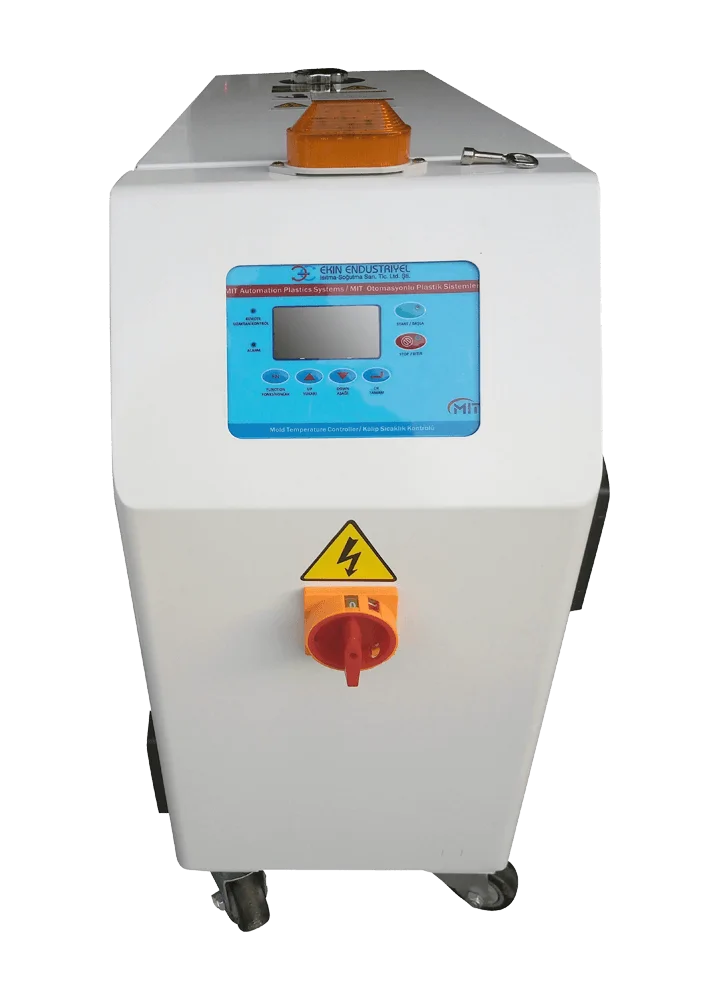
A thermostat, as its name suggests, means "heat regulator." These devices detect the temperature in the mold or system used on the production line with sensors, compare it to target temperature values, and activate heating or cooling mechanisms when necessary to maintain ideal operating conditions. This ensures a constant heat balance throughout the production process. This balance is particularly important in processes that require high precision, such as molding, injection, casting, chemical reactions, or drying.
1. Quality and Repeatability
One of the most important conditions for achieving the desired quality in production processes is thermal stability. Even a few degrees of temperature variation in applications such as molding, casting, or coating can affect the surface quality, dimensional accuracy, or durability of the final product. Thermostats prevent such variations by detecting temperature fluctuations in milliseconds and making automatic corrections. Thus, the same quality standard is maintained in every production cycle.
2. Energy Efficiency
In modern industry, energy consumption constitutes a significant portion of costs. Thermostats optimize energy consumption by preventing unnecessary heating or cooling cycles. The fluid inside the device (usually water or thermal oil) is circulated according to the temperature difference in the system. This way, only the necessary amount of energy is consumed. Especially in long-term production lines, this optimization provides significant energy savings and reduces the carbon footprint of the operation.
3. Process Continuity and Equipment Lifespan
Downtime in industrial facilities directly affects production costs. Thermostats extend the lifespan of equipment by preventing systems from overheating or sudden cooling. Stable temperature management prevents thermal stresses in mechanical components. This contributes to both reduced maintenance costs and the prevention of unplanned downtimes.
4. Versatile Application Areas
Another reason thermostats are widely used in the industry is their versatility. They can be safely used in various sectors such as plastic injection, automotive molding, food production, chemicals, pharmaceuticals, metal processing, energy, maritime, and HVAC systems across different temperature ranges. These devices are produced in both water-based and oil-based models, thus offering a wide range of applications from low-temperature processes to high-temperature systems.
5. Production Efficiency and Time Reduction
Rapid and precise control of temperature ensures shorter production cycles. Thermostats help the mold reach the optimum temperature quickly, resulting in quality outcomes from the very first piece produced. This situation reduces waste rates and increases production speed. Particularly in sectors such as molding and injection, this advantage provides significant time savings for businesses.
The Assurance of Temperature Control in Food Production
In the food industry, production processes are directly dependent not only on the quality of raw materials but also on the temperature control maintained throughout the process. From dairy products to juice production, from beer fermentation to meat processing lines, temperature is a decisive parameter for product quality and food safety. At this point, thermostats, or mold temperature control devices, are among the critical equipment that ensures the stability and hygiene of the process.
Thermostats keep the temperature of the equipment used in food processes constant within the desired range. These devices continuously receive data with temperature sensors and precise control units, instantly detect temperature deviations, and provide automatic corrections. Thus, both product quality is preserved, and continuity is ensured on the production line.
Systems Designed for Hygiene and Food Safety
In equipment used in the food industry, hygienic design and stainless structure are essential criteria. For thermostats to be used in food processes, their surfaces must be smooth, easy to clean, and resistant to bacterial adhesion. Typically made from AISI 304 or 316 stainless steel, the bodies are resistant to high temperatures and chemical cleaning agents. This allows for easy cleaning with CIP (Clean-In-Place) systems and eliminates the risk of cross-contamination.
Additionally, the liquid circulation circuits used in thermostats (mostly water-based) are isolated to ensure they do not come into direct contact with food. This structure guarantees both system safety and food hygiene. Thus, a homogeneous temperature is maintained during the processing of heat-sensitive products such as milk, whey, fruit puree, or syrup.
Temperature Stability and Product Quality
Even a few degrees of temperature deviation can cause undesirable physical and chemical changes in food products. For example, burnt taste in dairy products, caramelization or color degradation in sugary products, and vitamin loss in fruit juices can be observed. Thermostats create a stable heat profile throughout the process by preventing such quality losses. Thus, both the product standard is maintained, and the consumer receives the same quality product in every batch.
Energy Efficiency and Operational Continuity
Modern food production facilities are highly dependent on automation systems to both increase production speed and reduce energy costs. Thermoregulators optimize heating and cooling cycles as an important part of these systems. By preventing unnecessary energy consumption, they lower operational costs. Additionally, since they ensure that the temperature remains at an optimal level at every stage of the process, equipment wear and maintenance requirements are reduced. This situation particularly strengthens production continuity in lines that operate 24 hours a day.
Application Areas
The use of thermoregulators in the food industry is quite extensive.
• Dairy products: Precise temperature control is required in temperature-sensitive processes such as pasteurization, yogurt fermentation, or ice cream production.
• Beverage production: Maintaining a balance between cooling and heating stages in juice, carbonated beverage, or beer production is critical for product consistency and taste standards.
• Meat processing and cooking lines: Temperature control ensures that the product is cooked hygienically and eliminates the risk of microorganisms.
• Confectionery and chocolate production: Thermoregulators contribute to achieving a smooth texture by keeping the temperature constant during the crystallization process.
Each of these examples demonstrates how precise temperature control needs to be. By providing this precision, thermoregulators ensure both process safety and the quality of the final product.
Mold Efficiency and Energy Savings in the Automotive Sector
The automotive industry is one of the most precise areas of industrial production, characterized by high production volumes, millimetric tolerances, and processes focused on continuous improvement. One of the most important factors determining quality in this sector is temperature control in molding and injection processes. The surface temperature of the mold directly affects the shape accuracy, surface quality, material flow, and cycle time of the part. For this reason, thermoregulators are one of the indispensable components of automotive production lines.
The Effect of Mold Temperature on Product Quality
Plastics, metals, or composite parts used in the automotive sector are generally shaped at high temperatures. In processes such as injection molding, aluminum casting, pressing, and thermoforming, molds are continuously heated and cooled. Even the slightest fluctuation in mold temperature during these processes can lead to deviations in product surface gloss, durability, or dimensional accuracy. Thermoregulators eliminate this risk by ensuring that molds operate at a stable temperature. Thus, each part is produced with the same quality and consistency.
A stable mold temperature, particularly in plastic injection lines, prevents flash formation, shrinkage, and surface deformations. Additionally, the uniform heating of the mold helps balance the pressure applied to the mold. This extends the mold's lifespan and reduces mechanical stresses during production.
Reducing Cycle Time and Increasing Production Efficiency
Every second is valuable in automotive production. The shorter the cycle time for part production, the greater the overall efficiency of the production line. Thermoregulators shorten the process time by ensuring that the mold quickly reaches the desired temperature and maintains it throughout the cycle. For example, optimizing the cooling process can shorten a part cycle by a few seconds, which translates to a significant increase in annual production capacity.
Moreover, thermoregulators process temperature data from the mold in real-time thanks to high-precision sensors. This prevents heat losses and the system only activates the necessary amount of heating or cooling. This provides significant advantages in terms of both energy efficiency and process stability.
Energy Savings and Cost Optimization
A significant portion of production costs in the automotive sector consists of energy expenses. Thermoregulator systems operate with much lower energy consumption compared to traditional control methods. This is because the device circulates the heat transfer fluid (water or thermal oil) solely based on temperature differences. Unnecessary heating and cooling cycles are eliminated, thus reducing operational costs.
Additionally, the PID (Proportional-Integral-Derivative) control algorithms used in modern thermoregulators manage temperature changes with millisecond precision. This prevents overheating or excessive cooling, minimizing energy losses. In the long term, this can mean energy savings of up to 20% in high-capacity production lines.
Extending Mold Lifespan and Reducing Maintenance Costs
Molds are among the most valuable equipment in automotive production lines. The production cost of each mold is high, and extending its lifespan provides a significant advantage for businesses. Thermoregulators reduce the risk of deformation or cracking of molds by eliminating thermal stresses caused by temperature imbalances. This decreases maintenance frequency and prevents mold renewal costs.
Moreover, proper heating and cooling of the mold also prevents carbonization or residue buildup on the mold surfaces. Thus, downtime during production is reduced, allowing the production line to operate continuously for longer periods.
Applications of Thermoregulators in Automotive
Thermoregulators are used not only in injection molds but also in many subsystems in the automotive sector.
• Plastic part production: Temperature control is critical for achieving high surface quality in parts such as bumpers, dashboards, glove compartments, interior trims, and headlight housings.
• Aluminum casting: Excessive cooling of molds in parts such as engine blocks, transmission housings, and wheels can cause surface defects. Thermoregulators maintain the ideal temperature in these types of metal molds.
• Painting and coating systems: Temperature stability in paint booths, drying ovens, and coating lines plays a decisive role in color consistency and surface durability.
• Testing systems: Temperature control in simulation equipment used in engine, cooling, and climate testing directly affects the accuracy of the tests.
Durability and Continuity in Maritime Applications
The maritime sector is one of the areas where the most challenging environmental conditions prevail by nature. Saltwater, high humidity, constant vibrations, variable temperatures, and long working hours test the durability of every component used in ship systems. Therefore, temperature control is vital for ship machinery, cooling systems, heating circuits, and energy management systems. At this point, thermostats are critical equipment that ensures system continuity and operational safety in maritime applications.
Structure Adapted to Harsh Environments
Thermostats used in maritime applications have a much more durable structure compared to other industrial models. Corrosion-resistant stainless steel (AISI 316L) is generally preferred for the body and connection elements. This material choice prevents corrosion caused by saltwater and ensures the device operates efficiently for many years.
Additionally, vibrations and pressure changes occurring in ship machinery can disrupt the stability of the system. The internal mechanisms of thermostats are specifically reinforced against these conditions; connection points are supported by leak-proof seals, and sensor and valve groups are shock-absorbing mounted. Thus, safe and uninterrupted temperature control is achieved in the marine environment.
Critical Role in Cooling and Heating Systems
Ship engines, generator systems, hydraulic circuits, and fuel lines are constantly subjected to thermal processes. Overheating in these systems can lead to performance degradation or equipment failures. Thermostats eliminate such risks by maintaining optimal temperature balance in engine cooling circuits and heat exchanger systems.
Moreover, thermostats also play an active role in comfort systems on ships—such as cabin heating, hot water production, and air conditioning circuits. Temperature fluctuations can lead to both energy loss and a decrease in passenger comfort. Thanks to these devices, temperature is continuously monitored, and heating or cooling elements are automatically activated when necessary.
Energy Efficiency and Fuel Savings
Energy costs in maritime transportation constitute a significant portion of total operating expenses. Therefore, every ship must be equipped with solutions that reduce fuel consumption. Thermostats provide significant advantages to ship operators by optimizing energy in heating and cooling systems.
When the temperature is kept stable, the combustion efficiency of the engine increases, fuel consumption decreases, and exhaust gas emissions drop. At the same time, since unnecessary heating and cooling of the system is prevented, electricity consumption is also minimized. In this regard, thermostats have gained an important place among sustainable maritime technologies.
Operational Continuity and Safety
System downtimes in maritime operations mean not only financial loss but also safety risks. Thermostats serve as an early warning mechanism by instantaneously monitoring temperature changes in engine temperature, oil circuits, or hydraulic systems. In case of exceeding temperature limits, automatic protection circuits are activated, putting the system into safe mode. This feature is particularly important during long voyages or open sea operations.
Additionally, thermostats produced in accordance with the technical requirements set by maritime classification organizations (such as Lloyd’s Register, DNV, Bureau Veritas) have marine type approval certificates. This guarantees both the reliability of the device and its compliance with international maritime standards.
Areas of Application
Thermostats are used in numerous systems within the maritime sector:
• Main engine cooling systems: Keeping the engine block at an optimal temperature is essential for fuel efficiency and safe operation.
• Auxiliary machinery and generator lines: Cooling of generators used in electricity production is critical for providing continuous energy.
• Ballast and fuel tanks: Thermostats maintain the temperature of liquids in these tanks, ensuring viscosity control.
• Air conditioning and comfort systems: The efficient operation of air conditioning systems in crew and passenger areas depends on thermostat control.
• Seawater heat exchangers: Used to protect heat transfer surfaces from corrosion and maintain a constant temperature difference.
Comfort and Efficiency Balance in HVAC Systems
HVAC (Heating, Ventilation and Air Conditioning) systems are one of the fundamental elements of comfort and energy management in modern buildings. These systems maintain indoor temperature, humidity levels, and air quality at desired levels, ensuring user comfort while optimizing energy efficiency. However, the sustainability of all these goals depends on the precise control of temperature. Here, thermostats become one of the most critical components that determine the performance and balance of HVAC systems.
The Role of Temperature Control in HVAC Systems
In an HVAC system, heat transfer occurs through boilers, chiller units, fan-coil systems, air handling units (AHU), and heat exchangers. The efficient operation of these components is directly related to the precision of temperature control. Thermostats automatically manage heating and cooling cycles in these systems. By continuously monitoring data from temperature sensors, they keep the fluid (usually a mixture of water or glycol) at an ideal temperature level. Thus, the system neither overheats nor cools unnecessarily—energy losses are minimized, and comfort levels are maintained.
Energy Efficiency and Sustainability
Energy consumption in building technologies largely stems from heating and cooling systems. Thermostats provide intelligent temperature management to reduce this consumption. The devices enable energy use only when necessary and in the required amount. This way, HVAC systems maintain the same level of comfort at a lower energy cost.
For example, when a chiller system begins to overcool, the thermostat activates, balancing the fluid's temperature and preventing unnecessary energy consumption. Similarly, if the temperature in central heating lines exceeds the target value, the system automatically switches to balancing mode. This mechanism both increases energy efficiency and reduces carbon emissions, thus providing a significant advantage in buildings aiming for green building certification.
Continuity of Comfort and Temperature Stability
Indoor comfort depends not only on temperature values but also on the continuity of this temperature. One of the greatest advantages of thermostats is their ability to provide this stability continuously. Especially in large buildings, hotels, shopping centers, and office complexes, temperature differences disrupt the perception of comfort. Thermostats ensure homogeneous heat distribution in all areas by keeping the fluid temperatures in heating-cooling circuits constant.
Additionally, the PID controlled models of thermostats detect temperature fluctuations at the millisecond level and gradually activate heating/cooling elements. This prevents sudden temperature changes and maintains the comfort balance of the system. This feature is particularly important in variable climate conditions, as it directly affects user satisfaction.
Extending Equipment Lifespan and Ease of Maintenance
Since HVAC systems operate continuously, equipment wear is inevitable. However, thermostats extend the lifespan of system components by reducing thermal stresses caused by temperature differences. Material deformation decreases as pumps, valves, heat exchangers, and piping are not exposed to extreme temperature differences. This situation reduces maintenance costs and prevents system failures.
Moreover, thermostats monitor system temperature and protect equipment with alarms or automatic shutdown mechanisms in case of deviations. This feature is particularly important for safety in large-capacity industrial HVAC applications.
Application Areas
The application areas of thermostats in HVAC systems are quite extensive:
• Central heating systems: Energy savings are achieved by balancing temperature in boiler and collector lines.
• Chiller circuits: System efficiency is increased by maintaining the cooling fluid at an ideal temperature.
• Fan-coil units: Precise adjustments are made according to ambient temperature, optimizing user comfort.
• Heat recovery systems: Heat exchange between exhaust and fresh air flows is kept under control.
• Building automation systems (BAS): Thermostats provide the possibility of centralized management by integrating into smart building systems.
Compliance with Energy Management Standards
Today, many buildings and industrial facilities aim to comply with energy efficiency standards such as ASHRAE, LEED, or BREEAM. The use of thermostats supports compliance with these standards. Because temperature control directly affects not only comfort but also the sustainability criteria of energy management systems. Modern thermostats, through their digital interfaces, make energy consumption reports traceable and work in harmony with building management systems.
Reliable Process Management in Petrochemical and Pharmaceutical Industries
The petrochemical and pharmaceutical industries work with complex variables such as high temperature, pressure, and chemical reactions during production processes. The stability of processes in these sectors directly affects product quality and safety. Therefore, temperature control is one of the most critical elements of the production line. Thermostats are systems designed to maintain this delicate balance and are among the essential equipment that enhances the reliability of process management in the petrochemical and pharmaceutical industries.
Precise Control Under High Temperature and Pressure
Equipment used in petrochemical processes typically operates at temperatures between 100 °C and 400 °C. These temperature ranges directly determine reaction rates, product purity, and efficiency. Thermostats detect heat changes in the system at the millisecond level while maintaining thermal stability during these processes and automatically provide balance.
For example, a few degrees rise in temperature on a polymerization line can lead to undesirable changes in the molecular structure of the product. The thermostat instantly detects such deviations and activates heating/cooling elements to keep production within safe limits. The same principle applies to reactors, heat exchangers, distillation columns, and jacketed tanks.
Design Suitable for Corrosive and Aggressive Environments
Many chemicals used in petrochemical and pharmaceutical production are highly corrosive, reactive, or toxic. Therefore, the material selection of system components is of great importance. Stainless steel, nickel alloy, or PTFE-coated surfaces are typically preferred in thermostats. These materials prevent chemical interactions and ensure the long-term safe operation of the device.
Additionally, in applications requiring high purity, such as pharmaceutical production, thermostats are manufactured in accordance with clean room standards. A smooth surface design prevents particle retention; fluid circuits compatible with food and pharmaceutical standards eliminate contamination risks. Thus, product quality is preserved, and process safety is maintained at the highest level.
Product Consistency with Temperature Stability
In petrochemical processes, temperature not only determines product quality but also the reaction duration. Temperature instability can lead to fluctuations in reaction rates, reducing product purity. Thermostats increase the repeatability of the process by keeping the temperature stable within the target range. This feature is vital, especially in sensitive processes such as pharmaceutical formulation, reactor mixing, and solvent evaporation.
In the pharmaceutical industry, this stability ensures the production of products that exhibit the same effect in each production batch. Thus, quality control processes are accelerated, production losses are reduced, and full compliance with regulations is achieved.
Process Safety and Automation Integration
In petrochemical and pharmaceutical facilities, safety is prioritized even over production. Thermostats activate automatic protection protocols in cases of excessive temperature, pressure increase, or flow interruption. These protection systems generate alarms within the device or send signals to the central control system (SCADA, DCS, PLC). This way, operators can intervene immediately, preventing potential hazards from escalating.
Modern temperature controllers can also be integrated into automation infrastructure. Thanks to digital sensors and communication protocols (Modbus, Profibus, Ethernet/IP, etc.), they share data with central systems. This integration allows for real-time monitoring of process temperatures, analysis of energy consumption, and predictive maintenance planning. As a result, efficiency and safety are increased throughout the facility.
Energy Management and Sustainability
In petrochemical and pharmaceutical production, energy density is quite high. Temperature controllers serve as a control mechanism that minimizes energy losses during these processes. The system saves energy by using only the necessary amount of heating or cooling energy. Moreover, with optimal temperature management, the equipment on the production line experiences less wear and maintenance intervals are extended.
Energy efficiency is not only a cost advantage today but also important in terms of environmental responsibility. Therefore, the use of temperature controllers supports both operational sustainability and reduces the carbon footprint of businesses.
Application Areas
Temperature controllers are actively used in numerous processes in the petrochemical and pharmaceutical sectors:
• Reactor temperature control: Ensures efficient and safe execution of chemical reactions.
• Distillation columns: Provides precise management of evaporation and condensation temperatures.
• Jacketed tanks: Maintains the temperature of stored chemicals.
• Formulation lines: Balances the mixing temperatures of active ingredients.
• Solvent recovery systems: Supports the reuse of solvents evaporated through heat transfer.
Stable Performance in Metal Processing Processes
The metal industry is a challenging industrial field where high temperatures, intense energy consumption, and precise production tolerances coexist. In metal processing processes such as casting, shaping, rolling, extrusion, and heat treatment, temperature control is a key determinant of product quality and process stability. At this point, temperature controllers stand out as control elements that provide both temperature stability on the metal processing line and increase system efficiency.
The Effect of Temperature Balance on Metal Quality
The physical properties of metal materials—strength, hardness, flexibility, and internal structure homogeneity—are directly related to temperature. For example, excessive heating of the mold surface during a casting process can lead to the formation of pores or cracks on the surface of the metal. Similarly, in a process conducted at low temperatures, the metal may not fully liquefy, resulting in defective shapes or surface imperfections. Temperature controllers eliminate these risks by keeping the mold temperature stable within the ideal range.
A stable temperature guarantees not only product quality but also process repeatability. This is a significant advantage, especially for metal injection and casting facilities that produce in high volumes. When the same temperature conditions are provided in each production cycle, each piece has the same mechanical properties and surface quality.
Stability in Heat Treatment Processes
Heat treatment processes—such as hardening, tempering, annealing, or aging—aim to change the microstructure of the metal to achieve the desired mechanical properties. Even a few degrees of temperature difference in these processes can spoil the desired outcome. Temperature controllers ensure the continuity of the thermal cycle by keeping the temperature of heat treatment furnaces or liquid baths stable. Thus, the structural properties of the metal develop homogeneously, hardness distribution is balanced, and internal stresses are minimized.
Additionally, the PID control models of temperature controllers measure temperature changes instantaneously, adjusting the system response to prevent unnecessary heat fluctuations. This prevents energy loss due to overheating or cooling in furnaces; process stability is maintained.
Energy Efficiency and Process Optimization
Metal processing processes are energy-intensive operations. When temperature control is not done correctly on any production line, both energy waste and material loss occur. Temperature controllers prevent these losses by optimizing heating and cooling cycles. The heat transfer fluid used in the system (usually water or thermal oil) circulates based solely on the temperature difference. This reduces both energy consumption and the thermal load on the equipment.
Moreover, with controlled temperature management, process times on production lines shorten, cycle times are optimized, and production volume increases. This increase in efficiency directly reflects on operating costs.
Equipment Lifespan and Process Safety
Molds, furnaces, and heating equipment used in metal processing lines are constantly exposed to high temperature differences. Temperature controllers extend the lifespan of equipment by preventing sudden changes in these differences. Thermal shocks occurring in molds can lead to failures such as cracking or deformation. These risks are eliminated thanks to stable temperature control.
Furthermore, temperature controllers also enhance the safety of the system. In case of overheating, they switch to automatic protection mode, disabling the heating elements and keeping the system within a safe operating range. This feature is important for both personnel safety and production continuity.
Application Areas
The use of temperature controllers in the metal industry is quite extensive:
• Aluminum and steel casting molds: Provides homogeneous surface quality and low defect rates.
• Rolled sheet production: Maintaining temperature balance ensures uniform sheet thickness.
• Metal injection systems: Produces with less waste through internal temperature control of molds.
• Heat treatment lines: Provides stable heat in annealing, hardening, and tempering processes.
• Welding and soldering systems: Increases connection quality by maintaining heat balance.
Efficiency and Sustainability in Energy Systems
The energy sector is one of the most strategic areas that ensures the continuity of both industrial production and modern life. Every system used in this sector — whether it is electricity generation, cogeneration, heat recovery, or renewable energy applications — requires an optimum temperature balance. Even small changes in temperature values can directly affect system efficiency, energy conversion rates, and equipment lifespan. Therefore, thermostats emerge as indispensable control components to ensure efficiency, continuity, and sustainability in energy systems.
The Importance of Temperature Management in Energy Production
In energy production facilities — especially in cogeneration (CHP), trigeneration, steam boilers, turbine, or engine systems — temperature is one of the key parameters that determine efficiency. In such systems, thermostats ensure the balanced management of heating and cooling cycles. For example, in a cogeneration system, the engine oil, cooling water, or heat exchanger fluids must be maintained at specific temperature values. The thermostat continuously monitors the temperature of these fluids, corrects deviations instantly, thus optimizing fuel consumption and increasing the energy conversion rate.
The stability of temperature during this process is crucial not only for energy efficiency but also for system safety. Because overheating can cause equipment deformation or sudden shutdowns. The thermostat ensures the continuous and safe operation of the facility by eliminating these risks.
Efficiency Increase in Heat Recovery Systems
In modern facilities aiming for energy savings, heat recovery systems provide significant cost advantages through the reuse of waste heat. Thermostats ensure the maximum recovery of waste heat by precisely controlling temperature differences in these systems. For instance, hot fluids exiting industrial processes can be used to heat another system through thermostat-controlled heat exchangers. This way, both energy loss is prevented and overall system efficiency increases.
Moreover, proper temperature control reduces the risk of corrosion and contamination in heat exchangers. A stable temperature profile minimizes thermal stresses on surfaces and extends equipment lifespan. Thus, both energy and maintenance costs significantly decrease.
Use of Thermostats in Renewable Energy Systems
In the field of renewable energy — especially in biogas, geothermal, and solar energy applications — temperature control is one of the most important factors determining system performance.
• In biogas facilities, the effectiveness of microorganisms during the fermentation process is directly dependent on temperature. Thermostats increase biological yield by keeping the internal reactor temperature constant.
• In geothermal systems, controlling the fluid temperature affects both the energy conversion rate and equipment safety. Thermostats ensure that these high-temperature fluids are circulated in a controlled manner, keeping the system balanced.
• In solar heating systems, thermostats prevent overheating or cooling situations by regulating the storage tank temperature. This ensures the continuity of energy production.
In all these applications, the thermostat acts as a central control element that maintains energy balance; it ensures that the system remains stable against both environmental conditions and sudden load changes.
Energy Efficiency and Reduction of Carbon Footprint
One of the greatest contributions of thermostats used in energy systems is their ability to increase energy efficiency while reducing carbon emissions. Since the system avoids unnecessary heating or cooling cycles, fuel consumption decreases. This directly affects both operating costs and environmental sustainability.
Additionally, thermostats can be integrated into energy monitoring systems. This integration allows for real-time data collection, analysis of energy performance, and detection and elimination of unnecessary energy consumption. Thus, it facilitates digital transformation in energy management and contributes to long-term carbon neutrality goals.
Equipment Lifespan and Operational Safety
Boilers, turbines, pumps, and pipelines used in energy facilities are constantly exposed to high temperature differences. Thermostats extend the lifespan of equipment by balancing these differences. Temperature control reduces thermal stresses caused by material expansions and prevents potential leakage issues. Additionally, the automatic alarm systems in thermostats activate in case of abnormal temperature changes, alerting operators or switching the system to a safe mode. This feature is critically important for maintaining continuity in energy production.
Application Areas
The main areas of use for thermostats in the energy sector are as follows:
• Cogeneration and trigeneration facilities: Maintaining stable temperatures for engine, oil, and cooling water.
• Steam and heat recovery systems: Creating energy savings by enabling the reuse of waste heat.
• Renewable energy facilities: Providing heat balancing in solar, biogas, and geothermal systems.
• Energy storage systems: Maintaining temperature stability in batteries or thermal storage tanks.
• Energy transmission lines: Providing thermal protection in oil-cooled transformers and generators.