Fluid control in industrial facilities is critical for process safety, energy efficiency, and system continuity. The most commonly used equipment for this control includes butterfly valves, ball valves, and gate valves. Each of these three valve types essentially allows for the opening, closing, or directing of fluid; however, they contain distinct differences in terms of design, operating principles, and application areas.
A butterfly valve is a type of valve that operates on the principle of a disc-shaped flap rotating around a shaft placed at the center of the pipeline. When the disc is parallel to the flow direction, the valve is fully open, and when it is in a vertical position, it is closed. This design allows butterfly valves to offer fast opening and closing features, and they stand out particularly in large diameter pipelines due to their compact structures. Their body designs can be wafer, lug, or double flanged and can be easily integrated into automation with manual, pneumatic, or electric actuators.
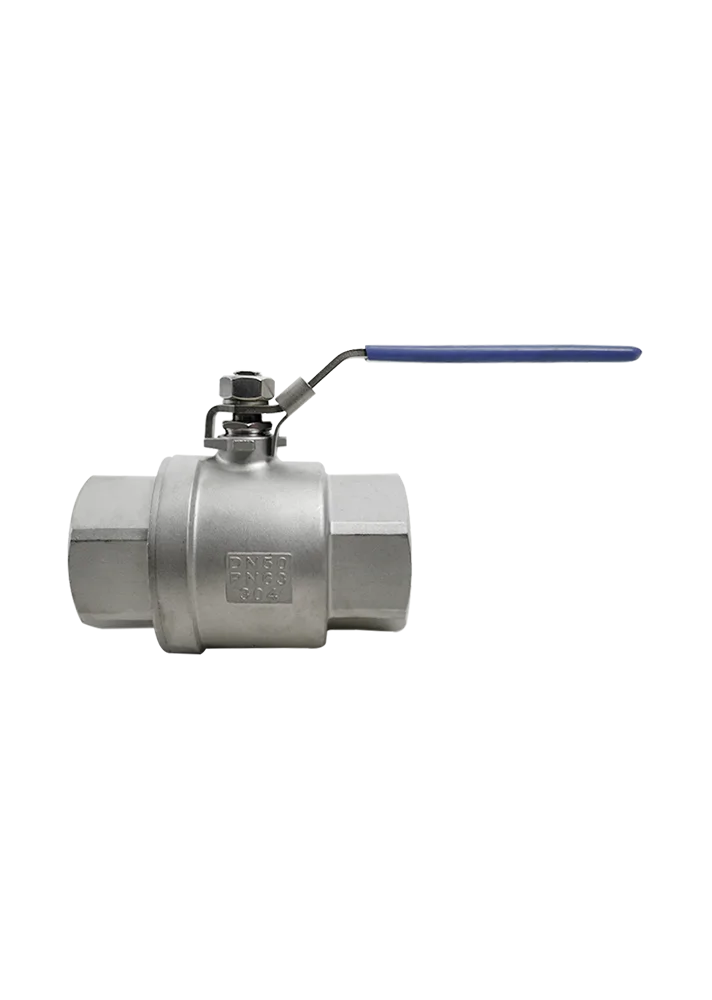
A ball valve is a type of valve that works by rotating a hollow ball inside it with the help of a shaft. When the hole on the ball is aligned with the flow direction, the valve is open, and when the ball is in a closed position, the flow is completely stopped. Ball valves provide high sealing due to their full-bore design and are generally preferred in on-off applications. Although they are not suitable for systems requiring precise flow adjustment, they are a reliable solution for processes that require sudden shut-off. A gate valve, on the other hand, has a closing element that moves linearly. When the valve shaft moves upward, the gate is completely withdrawn from the flow path, allowing full flow. This feature makes gate valves ideal for systems where low pressure loss is desired. However, due to their long opening and closing times and unsuitability for partial open positions, they are generally designed to operate only in fully open or fully closed positions.
The fundamental difference between these three types of valves lies in the movement of the closing element that comes into contact with the fluid and its effect on the flow line. While butterfly valves offer fast and compact solutions with their rotating disc structure, ball valves provide the advantage of high sealing. Gate valves are preferred in applications that require minimum pressure loss in full-bore lines. Therefore, the correct valve selection should be evaluated not only with the type of valve but also in conjunction with the operating conditions of the system and process requirements.
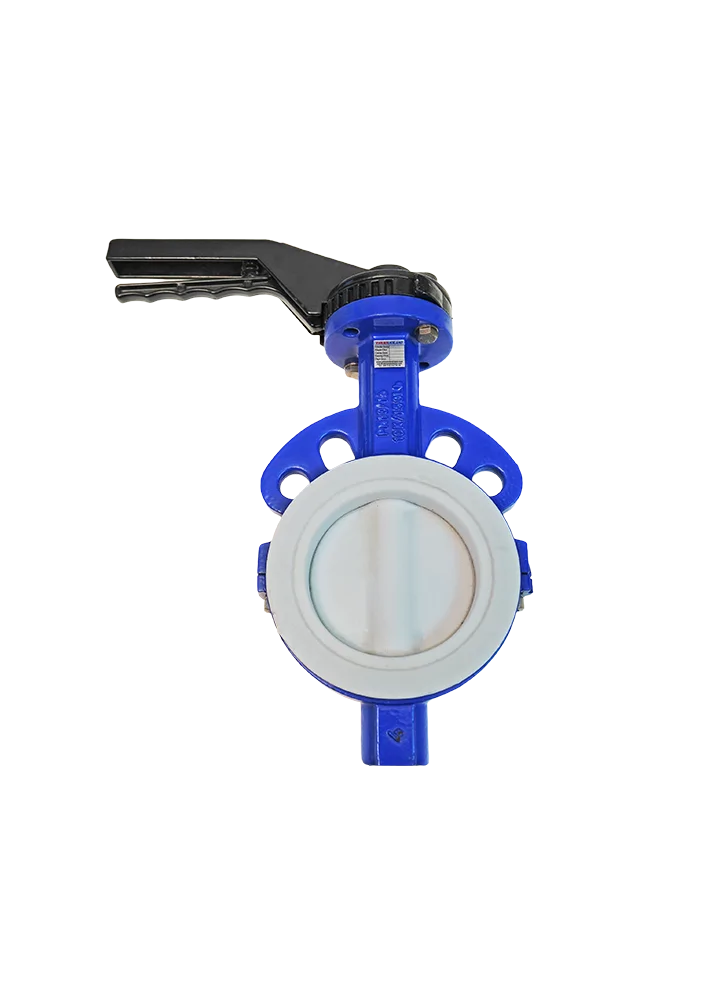
The most obvious distinction between butterfly, ball, and gate valves is how the movement of the fluid within the valve is controlled and the axis around which the closing element operates. These differences directly affect the opening and closing speed, flow control capability, pressure loss, and intended use. In butterfly valves, the operating principle is based on the rotation of a disc-shaped flap located at the center of the pipeline. With a 90-degree rotation of the disc, the valve reaches either a fully open or fully closed position. Since the disc remains within the flow line, the fluid passes over the flap even when the valve is in the open position. This structure provides butterfly valves with the advantages of fast opening and closing and compact design, while also allowing for flow adjustment. Particularly, their ability to operate in partially open positions makes butterfly valves preferable in control applications.
In ball valves, flow control is achieved by the rotation of a hollow ball. When the hole on the ball is aligned with the pipe axis, flow is free; when the ball is rotated 90 degrees, flow is completely stopped. This system provides high sealing because it clearly opens and closes the flow path. However, ball valves are not suitable for operation in partially open positions. When the ball is used in a semi-open position, the risk of turbulence and wear increases. Therefore, ball valves are primarily designed for on-off purposes.
The operating principle of gate valves is based on linear motion. When the valve shaft is turned, the gate plate moves upward or downward. When the gate is fully lifted, the flow path is completely opened, and the pipeline becomes fully open. In this case, the fluid flows through the valve without changing direction, and pressure loss is at a minimum level. However, gate valves are not suitable for stepped control. When used in partially open positions, irregular loads can occur on the gate, potentially shortening the valve's lifespan.
When comparing the operating principles of these three valve types; it can be seen that butterfly valves offer control flexibility with their rotary motion and fast response structure, ball valves provide sealing-focused and clear on-off solutions, and gate valves offer minimum flow resistance advantages in lines requiring full flow. Therefore, when selecting a valve, not only the nominal diameter or pressure class should be considered, but also how well the valve's operating principle aligns with the process requirements must be taken into account.
The Effect of the Opening and Closing Mechanism on Flow
The opening and closing mechanism of a valve not only stops and starts the flow but also directly affects the flow characteristics, turbulence level, and pressure distribution within the system. Butterfly, ball, and gate valves exhibit different hydraulic behaviors in this regard. In butterfly valves, the flow progresses by passing around the disc-shaped flap. Even when the valve is fully open, the flap remains within the flow line, causing the fluid to change direction around the disc. This situation creates controlled turbulence. Particularly in partially open positions, the flow cross-section narrows or widens depending on the angle of the disc. This feature makes butterfly valves preferable in applications where flow adjustment is possible. However, in processes requiring very precise control, the turbulence created around the flap must be taken into account.
The opening-closing mechanism of globe valves sharply affects the flow. When the hole on the globe is perfectly aligned with the flow line, the flow is free, and the fluid follows an almost linear path. When the valve is closed, however, the flow is suddenly completely cut off. This clear transition provides a high sealing advantage but can lead to pressure fluctuations in sudden closure situations. Therefore, globe valves are generally used in applications that require safe open-close rather than flow control. In sliding valves, the mechanism affecting the flow is the linear movement of the sliding plate. When the slide is fully open, the flow path becomes perfectly compatible with the pipe diameter. Since the fluid moves without changing direction, turbulence is at a minimum level. This situation provides a significant advantage, especially in long lines and high flow systems. However, when sliding valves are used in a partially open position, the flow becomes irregular, and the risk of wear on the sliding surface increases. Therefore, they are preferred not for flow control purposes but to operate fully open or fully closed.
When evaluating the effect of the opening-closing mechanism on flow; it is seen that butterfly valves offer gradual control and flexibility, globe valves provide clear and rapid shutoff, and sliding valves highlight flow efficiency in fully open lines. These differences should be taken into account not only in terms of mechanical structure but also regarding the behavior of the fluid and the working dynamics of the process when selecting a valve.
Flow Control Capability Comparison
Flow control capability is not limited to merely opening and closing a valve; it also expresses how precisely, stably, and predictably the flow rate can be adjusted. Butterfly, globe, and sliding valves exhibit different performance characteristics in this regard. Butterfly valves are one of the most flexible types of valves for flow control. As the angle of rotation of the disc changes, the flow cross-section gradually narrows or widens. This allows the valve to operate stably not only in fully open and fully closed positions but also in intermediate positions. Especially in systems where proportional control is not required but adjusting the flow within a certain range is sufficient, butterfly valves offer a practical solution. HVAC applications, cooling water lines, and general process flows can be examples of this situation. However, in applications requiring very precise flow adjustment, the turbulence created around the disc and the non-linear nature of the flow characteristics should be kept in mind.
Globe valves have limited performance in terms of flow control. Due to their basic design, the hole on the globe is either aligned with the flow line or completely closed. In partially open positions, the flow becomes irregular as it passes through the edges of the globe, and control precision decreases. This situation both disrupts flow stability and increases wear on the internal surfaces of the valve. Therefore, globe valves are preferred in applications that require definite open-close rather than systems where flow adjustment will be made. Sliding valves, on the other hand, are not designed for flow control. Although the gradual opening of the sliding plate theoretically allows for flow adjustment, in practice, this usage is not recommended. In a partially open position, irregular pressure distribution occurs on the slide, and the flow becomes unstable. Additionally, the risk of vibration and wear on the sliding surfaces increases. Therefore, sliding valves are suitable only for systems that operate fully open or fully closed.
When evaluated in terms of flow control capability; butterfly valves stand out with their controlled and gradual adjustment structures, while globe valves offer a clear open-close function, and sliding valves are preferred in fully open lines that do not require flow adjustment. These differences make the selection of the right valve type critical according to the process's need for control precision.
Differences in Pressure Loss and Energy Efficiency
Pressure loss in industrial pipelines is one of the most important parameters that directly affects the overall energy consumption of the system. Since valves create a resistance on the flow line, the pressure drop characteristics of the selected valve type determine many factors, from pump power requirements to operating costs. Butterfly, globe, and sliding valves exhibit different hydraulic behaviors in this regard. In butterfly valves, pressure loss arises from the presence of the disc-shaped flap within the flow line. Even when the valve is fully open, the flap partially changes the direction of the fluid, leading to a certain pressure drop. However, in modern butterfly valve designs, this loss has been minimized thanks to optimized disc geometries. Especially in large diameter pipelines, the compact structure and low friction area provided by butterfly valves positively affect the overall system efficiency.
In globe valves, pressure loss varies depending on the valve design. In fully open globe valves, since the hole on the globe is equal to the pipe diameter, the flow follows an almost linear path, and the pressure loss is quite low. However, in globe valves used in narrow passage or partially open positions, the flow cross-section narrows suddenly, leading to a significant increase in pressure drop. This situation can increase energy consumption and may also lead to unwanted turbulence in the system.
Sliding valves are one of the most advantageous types of valves in terms of pressure loss. When the slide is fully open, the flow path matches perfectly with the pipeline, and the fluid moves without changing direction. This keeps the pressure drop at a minimum level. Sliding valves offer significant advantages, especially in long-distance lines, high flow applications, and systems where energy efficiency is a priority. However, this advantage is only valid if the valve is operated in a fully open position. When evaluated in terms of energy efficiency; sliding valves stand out with minimal pressure loss, while fully open globe valves can also provide similar performance. Butterfly valves, thanks to their modern designs, offer compact and economical solutions with acceptable pressure loss levels. Therefore, when selecting a valve, not only nominal pressure values but also the continuous operating conditions of the system and energy consumption targets must be taken into account.
Comparison of Physical Size and Installation Space
In valve selection, not only flow performance but also the space occupied by the valve body and the clearance required during installation are important criteria. Especially in facilities requiring compact design, the physical dimensions of valve types and their installation space requirements directly affect system design. Butterfly valves are the valve type that stands out in this comparison due to their compact structures. Thanks to the disk's placement within the pipeline, the valve body has a quite short structure. Wafer and lug type butterfly valves occupy minimal axial space when placed between flanges. This feature provides a significant advantage in narrow machine rooms, revisions of existing lines, and facilities with space constraints. Additionally, the lightweight and simple body structure of butterfly valves facilitates the installation process.
Ball valves have a more voluminous body compared to butterfly valves. Due to the ball mechanism and sealing elements, the valve length increases and requires more space over the pipeline. Especially in large diameter ball valves, additional support and sturdy carrying elements may be needed for installation. This situation can complicate the use of ball valves in systems with limited space. Sliding valves, on the other hand, are the valve type that requires the most space in terms of physical dimensions. For the slide to move upwards, an additional stroke distance is required on the valve. This leads to a significant need for vertical clearance. Installing sliding valves in enclosed spaces or facilities with limited ceiling height requires serious planning. Additionally, large diameter sliding valves are among the factors that affect system design in terms of both weight and volume. When evaluated in terms of physical size and installation space; butterfly valves stand out with their minimum space requirement and flexible installation options, while ball valves require a moderate amount of space. Sliding valves, however, are suitable for applications that require a wide installation area, especially due to the need for vertical clearance. Therefore, when selecting a valve, the physical conditions of the facility and the existing pipeline layout must be taken into account.
Suitability for Automation and Actuator Integration
Automation systems in industrial facilities enable processes to be managed more safely, efficiently, and traceably. The suitability of valves for automation is an important evaluation criterion in terms of actuator installation ease, control accuracy, and system integration. Butterfly, ball, and sliding valves offer different levels of automation compatibility in this regard.
Butterfly valves are one of the most suitable valve types for automation. Thanks to their rotary motion structure, they can be directly and easily integrated with pneumatic and electric actuators. The 90-degree rotation of the actuator perfectly matches the open and closed positions of the valve. This makes both opening-closing control and positioning applications practical. Butterfly valves are especially commonly preferred in process automation, HVAC systems, and lines requiring remote control.
While ball valves are also suitable for automation, their usage purposes are more limited compared to butterfly valves. Ball valves are generally automated for the open-close function. They can be controlled with electric or pneumatic actuators; however, they are not preferred in systems that require proportional control because they are not suitable for operation in a partially open position. Nevertheless, automatic ball valves provide a reliable solution in processes requiring high sealing and fast shut-off.
Sliding valves, on the other hand, are the valve type that requires the most mechanical adjustment in terms of automation. The linear motion sliding mechanism is controlled by motorized actuators or special reducer systems. Although this structure allows for automation integration, it can increase the complexity and cost of the system. Additionally, the long opening-closing times limit the use of sliding valves in automation applications that require quick response. When evaluated in terms of automation compatibility; butterfly valves stand out with easy integration, quick response, and flexible control options. Ball valves are suitable for clear open-close automation. Sliding valves are preferred in systems where automation is secondary, more manual or semi-automatic systems. These differences clearly highlight why valve selection is critical in facilities with high levels of automation.
Seal Structure and Sealing Performance
One of the most critical factors determining a valve's performance is its sealing capability. The seal structure directly affects the pressure and temperature ranges in which the valve can operate safely, its chemical resistance, and long-term operational reliability. Butterfly, ball, and sliding valves have different sealing solutions due to their designs. In butterfly valves, sealing is generally achieved with elastomer or PTFE-based seals placed inside the body. When the disk reaches the closed position, this seal presses against the surface to create a seal. Thanks to various seal materials such as EPDM, NBR, Viton, and PTFE, butterfly valves can be used over a wide range of fluids and temperatures. In modern butterfly valve designs, seal structures that provide bidirectional sealing ensure safe closure regardless of the direction of flow. This situation provides a flexible usage advantage, especially in process lines.
In ball valves, sealing performance is achieved through the contact between the ball and the seating surfaces. High-performance sealing rings made of PTFE or similar materials surrounding the ball provide a high level of sealing when in the closed position. Therefore, ball valves are commonly preferred in applications where sealing is critical. However, under high temperature and pressure, the material selection of sealing elements is of great importance. Incorrect seal selection can lead to deformation and leakage risk over time. In sliding valves, sealing is achieved through the contact between the sliding plate and the inner surfaces of the body. Metal-to-metal contact sliding valves are resistant to high temperature and pressure applications, but they may not always be ideal for systems expecting complete sealing. Sliding valves with elastomer seals can provide better sealing; however, these types of valves are generally used within certain temperature and pressure limits. Additionally, the sealing performance in sliding valves depends on whether the valve is operated in a fully open or fully closed position.
When evaluated in terms of sealing performance; globe valves stand out in applications requiring high sealing, while butterfly valves offer a sufficient and reliable solution for many industrial processes with the right gasket selection. Sliding valves are preferred in lines where the flow is either fully open or closed, focusing more on flow efficiency rather than sealing. Therefore, when selecting a valve, the gasket structure must be evaluated along with the process conditions.
Performance Differences Under High Temperature and Pressure
It is crucial for valves used in industrial processes to operate safely and stably under high temperature and pressure conditions. These conditions directly affect many components, from the valve body material to sealing elements. Butterfly, globe, and sliding valves have different performance limits under high temperature and pressure. Butterfly valves are generally preferred for medium temperature and pressure applications. Standard elastomer-sealed butterfly valves operate safely within certain temperature ranges, while PTFE or metal-sealed designs can withstand higher temperature values. However, due to the disk structure being located within the flow line, the loads occurring on the flap in very high-pressure applications must be carefully evaluated. Therefore, butterfly valves should only be used in systems requiring high temperature and pressure with appropriate material and design selection.
Globe valves stand out with their performance under high pressure. The robustness of the sphere and body structure provides safe sealing in high-pressure lines. Metal-seated globe valves can also be used in high temperature applications and are particularly preferred in the oil, gas, and chemical industries. However, the material compatibility of sealing elements under high temperature conditions is of great importance. Incorrect material selection can lead to performance loss.
Sliding valves are among the most durable types of valves for high temperature and pressure applications. Metal-to-metal contact sliding valves show high resistance against aggressive process conditions. When operating in the fully open position, they do not create additional loads on the flow path, providing stable performance in high-pressure systems. Therefore, sliding valves are commonly used in power plants, steam lines, and heavy industrial applications.
When evaluated in terms of high temperature and pressure performance; sliding valves offer the widest operating range, while globe valves provide ideal solutions for systems where high pressure and sealing are critical. Butterfly valves can be an effective alternative in medium and some high-performance applications with the right design and material selection. These differences highlight that valve selection should be based not only on nominal values but also on actual process conditions.
Material Options and Chemical Resistance Comparison
The material structure in valve selection is one of the most critical factors directly affecting the safe and long-lasting operation of the system. The chemical properties of the fluid, operating temperature, and pressure values necessitate the correct selection of valve body, closure element, and sealing materials. Butterfly, globe, and sliding valves offer different material combinations and levels of chemical resistance in this regard.
Butterfly valves can adapt to a wide variety of fluids thanks to their extensive material and coating options. Commonly used body materials include cast iron, ductile iron, carbon steel, and stainless steel. For disk and shaft components, stainless steel or nickel-coated surfaces are preferred. In applications requiring chemical resistance, PTFE-coated disks and PTFE seals come to the forefront. This structure allows butterfly valves to be safely used in processes working with acidic or basic fluids. However, in combinations of aggressive chemicals and high temperatures, material selection must be analyzed in detail.
Globe valves offer a strong alternative, especially in applications requiring chemical resistance. Stainless steel, carbon steel, and special alloys can be preferred as body and sphere materials. PTFE and its derivatives, commonly used in sealing elements, show high resistance to many chemicals. This property makes globe valves suitable for sensitive applications in the chemical, petrochemical, and pharmaceutical industries. However, the performance limits of some polymer-based sealing elements under high temperature must be considered.
Sliding valves are one of the valve types with the widest range of material durability options. Carbon steel, alloy steels, and stainless steel bodies provide resistance against high temperatures and aggressive fluids. Metal-to-metal contact sliding valves are preferred in abrasive and particulate-laden fluids. While these valves offer high performance in terms of chemical resistance, they may not always be ideal in applications requiring complete sealing. Therefore, sliding valves are more commonly used in challenging process conditions, where mechanical durability is prioritized.
When evaluated in terms of material and chemical resistance; butterfly valves offer a wide application area with the right gasket and coating selection, globe valves stand out in systems requiring chemical resistance and sealing, while sliding valves are preferred for their mechanical durability against high temperature, pressure, and abrasive fluids. Therefore, when selecting a valve, not only the valve type but also the chemical structure of the fluid and process conditions should be evaluated together.
Valve Preferences According to Industrial Applications
In industrial facilities, valve selection is shaped not only by the technical characteristics of the valve type but also by the needs of the sector in which the application is made and the process conditions. Criteria such as fluid type, hygiene requirements, operating temperature, and pressure determine which application butterfly, globe, and sliding valves are more suitable for.
Butterfly valves are commonly preferred in water and general process lines. Their compact structures, fast opening-closing features, and suitability for automation provide an effective solution in water treatment plants, cooling water circuits, and auxiliary lines of industrial facilities. The low installation space requirement in large diameter pipelines makes butterfly valves advantageous for such applications.
In the food, beverage, and pharmaceutical industries, hygiene and leak-tightness are prioritized in valve selection. In these sectors, valve designs with stainless steel bodies, smooth surfaces, and easy-to-clean features are generally preferred. Ball valves are frequently used in such applications due to their high leak-tightness performance and hygienic structures. With the right material and gasket selection, butterfly valves can also be safely used in food processes.
In the chemical and petrochemical industries, chemical resistance and safe closure features are of critical importance. In systems working with aggressive and corrosive fluids, ball valves with PTFE seals and butterfly valves with suitable coatings are preferred. In processes where high pressure and temperature conditions are involved, metal-seated sliding valves provide a reliable solution.
In HVAC systems, valve selection is evaluated in terms of energy efficiency and control capability. In heating, cooling, and ventilation applications, butterfly valves are widely used due to their fast response times and suitability for automation. In these systems, where flow adjustment is important, butterfly valves provide a practical and economical solution.
In energy production facilities and heavy industry applications, resistance to high temperature and pressure takes precedence. In steam lines, power plants, and metal industry applications, sliding valves offer reliable performance due to their robust body structures and full-bore designs. In such applications, valve selection plays a critical role in terms of longevity and process safety.
When evaluated according to industrial applications; while butterfly valves offer flexibility in general processes and auxiliary lines, ball valves stand out in hygienic and chemical applications where leak-tightness is critical. Sliding valves are preferred in challenging process conditions and systems requiring high performance. Therefore, the correct valve selection should be addressed alongside the sectoral requirements and process conditions of the application.
Differences in Usage in Food, Chemical, and Process Lines
Food, chemical, and general process lines are among the application areas where the most critical decisions are made in valve selection. The valves used in these lines not only control the flow but also have a direct impact on product safety, process continuity, and facility hygiene. Therefore, the differences in the use of butterfly, ball, and sliding valves in these sectors become clearly evident.
In the food and beverage industry, hygiene is the fundamental criterion in valve selection. All surfaces in contact with the fluid must be smooth, offer easy-to-clean structures, and not allow bacterial formation. In these applications, valves with stainless steel bodies and suitable gasket materials are preferred. Ball valves provide a safe solution in food lines due to their high leak-tightness performance and simple internal geometries. Butterfly valves are commonly preferred in milk, beverage, and liquid food processes when used with hygienically designed discs and seals. Sliding valves, however, generally have limited usage in food applications due to the risk of product accumulation in their internal structures.
In the chemical industry, valve selection largely depends on the chemical properties of the fluid. In systems working with acidic, basic, or solvent-containing fluids, chemical resistance is paramount. In such applications, ball valves with PTFE seals and butterfly valves with suitable coatings ensure safe usage. In chemical processes operating under high temperature and pressure, metal-seated sliding valves are preferred. When selecting valves for chemical lines, not only the body material but also the chemical compatibility of sealing elements must be taken into account.
In general process lines, flexibility and operational efficiency are prioritized in valve selection. In these lines, which contain different fluids such as cooling water, process water, air, and steam, butterfly valves find a wide range of applications due to their compact structures and fast opening-closing features. Ball valves are preferred in points requiring safe open-close, while sliding valves are used in main lines where full-bore passage is critical.
When evaluated specifically in these sectors; while hygienic and leak-tight solutions are prioritized in food lines, chemical resistance and safety are decisive in chemical processes. In general process lines, the flexibility and system compatibility provided by the type of valve come to the forefront. These differences clearly indicate that a single type of valve solution is not sufficient for each sector and that a specific selection must be made for the application.