The actuator is one of the components that play an important role in industrial automation systems. These devices are systems that control mechanical energy and typically operate with electrical, hydraulic, or pneumatic power. The selection of an actuator is a critical step for the performance and efficiency of the system. In this article, we will examine the key factors to consider when selecting an actuator.
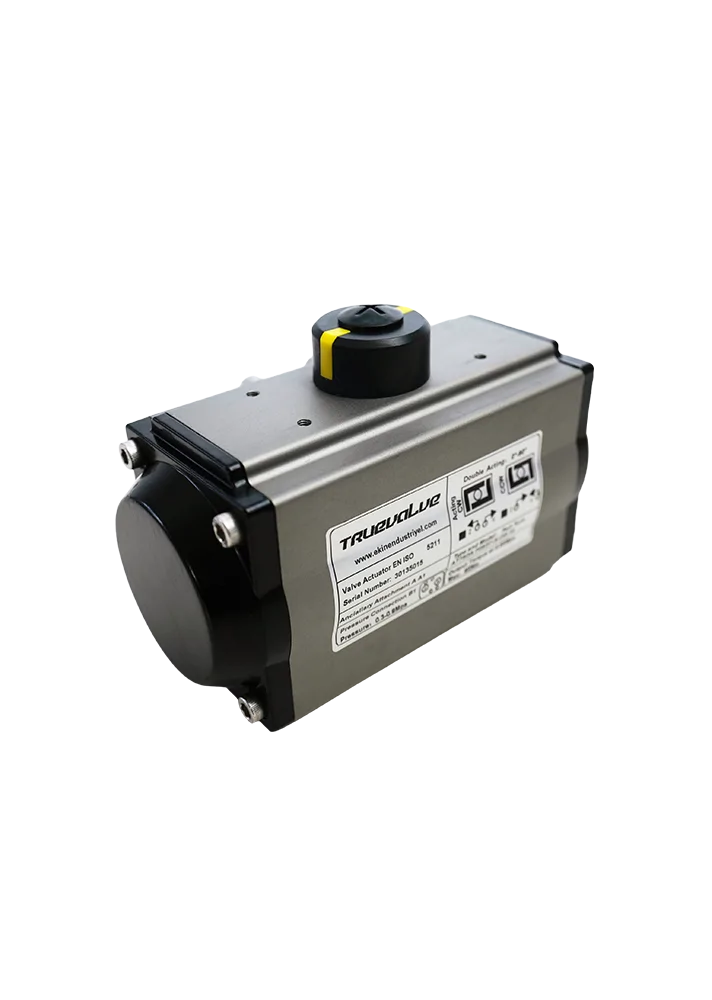
Types of Actuators
Actuators can generally be divided into three main groups: electric, hydraulic, and pneumatic. Each has its own unique advantages and disadvantages.
- Electric Actuators: They are generally easy to control and energy-efficient. However, they have high costs and are sensitive to environmental factors.
- Hydraulic Actuators: Preferred in applications requiring high power. They are powerful, but the maintenance of the system can be complex and they carry a risk of leakage.
- Pneumatic Actuators: They stand out with their fast response times and low costs. However, they provide limited power due to using air as an energy source.
Selection Criteria
There are several important criteria to consider when selecting an actuator:
- Application Requirements: Determining the needs of the application in which the actuator will be used is the first step in making the right selection. Factors such as the type of movement required, load capacity, and environmental conditions should be taken into account.
- Power Source: The energy source required for the actuator to operate is also important. It should be assessed which type of system, electric, hydraulic, or pneumatic, is available.
- Control Method: The control methods of actuators can affect the complexity of the system. You may need to choose between analog, digital, or PID control methods.
- Durability and Maintenance: The durability and maintenance requirements of the actuator you choose should also be considered. An actuator that is long-lasting and requires low maintenance can reduce your operating costs.
Common Mistakes in Actuator Selection
Avoiding common mistakes when selecting an actuator is critical for the success of the system. Below are some common mistakes listed:
- Not analyzing the application requirements sufficiently.
- Making the wrong choice of power source.
- Not considering control methods.
- Ignoring maintenance requirements.
Practical Tips
Some practical tips to consider when selecting an actuator are as follows:
- Compare different types of actuators and choose the most suitable one for your application.
- Consider the manufacturer's recommendations and seek technical support.
- Take into account environmental factors such as recycling and energy efficiency.
Conclusion
The selection of an actuator is extremely important for the efficiency and performance of industrial automation systems. When selecting the right actuator, you need to make an informed decision by considering application requirements, power sources, control methods, and maintenance needs. These factors will ensure the long life and effective operation of your system.