The Importance of Ball Valves in the Food Industry
The food industry is one of the production areas where hygiene, quality, and safety standards must be maintained at the highest level. Every piece of equipment used in this sector directly affects the health suitability of the food produced. Ball valves are one of the most critical components of this process; they ensure the safe, controlled, and hygienic transmission of fluids, supporting the sustainability of the production line.
Ball valves with stainless steel bodies do not cause chemical reactions due to their compatibility with the liquids used in food production. This feature is particularly important for maintaining product quality in processes such as milk, yogurt, juice, non-alcoholic beverages, and beer production. The surfaces that come into contact with food being easy to clean and smooth prevents bacterial formation and increases the hygiene level of the production line. The use of PTFE seals maximizes production safety by providing leak-proofing even at high temperatures.
Short cleaning and maintenance times in food processes provide a significant advantage in terms of production efficiency. The simple and modular design of ball valves allows these processes to be carried out easily and quickly. This way, both time loss is prevented, and uninterrupted flow in the production line is achieved.
Ball valves also stand out in terms of energy and resource efficiency. Low pressure loss allows pumps to consume less energy, which reduces operating costs in the long run. The almost unobstructed flow when fully opened minimizes flow resistance in the system and enhances production performance. This feature provides a significant advantage, especially in filling lines where high flow liquids are transported.
Designed according to hygienic standards, ball valves are compatible with food safety management systems. This also facilitates food producers' compliance with legal requirements. Additionally, their long-lasting structure reduces maintenance and spare part costs.
Ball valves are not only a flow control equipment in the food industry but also a strategic component in terms of production quality, hygiene safety, and energy efficiency. By providing clean, safe, and economical solutions in food processes, they contribute to businesses' efforts to elevate quality standards and achieve sustainable production goals.
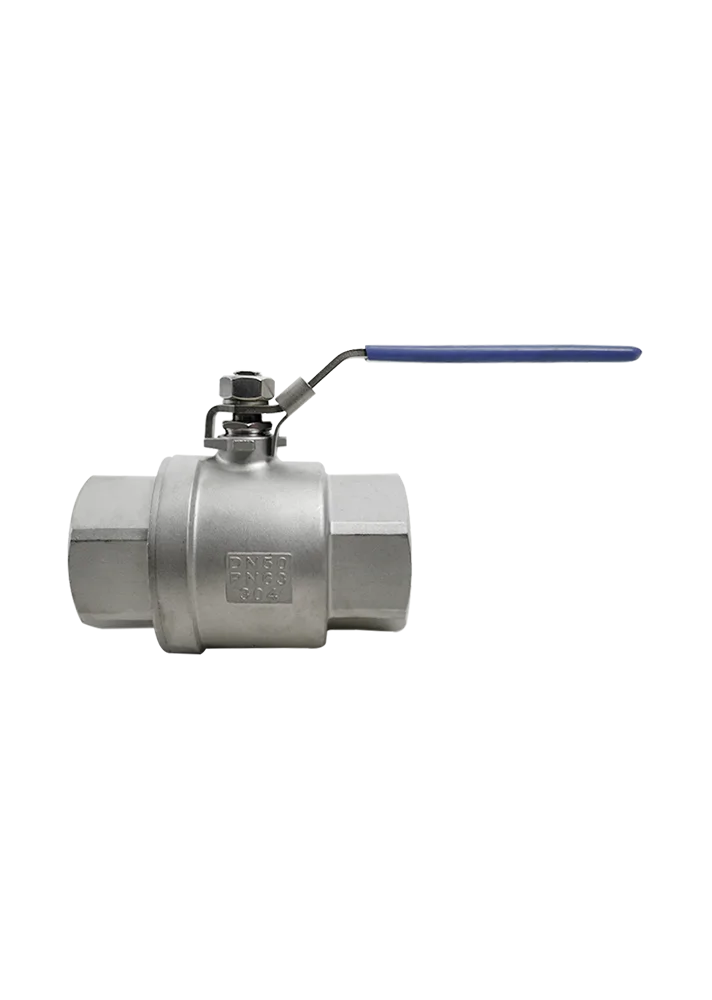
Applications of Ball Valves in the Automotive Sector
The automotive sector is an industry that requires high precision, durability, and efficiency in production processes. Every piece of equipment used in this field plays a critical role in the safety, continuity, and quality standard of the production line. Ball valves are frequently preferred equipment in fundamental operations such as fluid management, temperature control, and pressure balance in the automotive sector. Their compact structures, durable material options, and sealing features provide long-lasting and reliable performance.
In automotive production facilities, various liquids, gases, and chemicals need to be transmitted in a controlled manner. Ball valves are safely used in the transfer of solvent and paint mixtures in paint lines, water or air flow in test systems, and cooling fluids in engine production lines. Maintaining full control over the amount, pressure, and direction of the fluid in these processes directly affects product quality. Ball valves offer quick intervention and high control capability in such operations as they can easily open and close at 90-degree angles.
Ball valves with durable stainless steel bodies can operate without deformation even under high temperatures and pressures. This feature provides significant advantages, especially in processes that require continuity in engine test rooms, heating-cooling systems, and hydraulic lines. Additionally, thanks to PTFE seals, they offer high resistance to chemicals, preventing failures that corrosive liquids may cause. This increases the safety of the production line and reduces maintenance costs.
Another reason for the preference of ball valves in the automotive sector is their energy efficiency. By creating minimal pressure loss during flow, they allow pumps to operate with lower power. This situation reduces energy consumption and improves the overall performance of the system. Furthermore, their compact designs save space on production lines, which is a significant advantage in modern, optimized automotive facilities.
In addition to production lines, ball valves are also intensively used in automotive test centers. They provide a reliable control mechanism, especially when fluids need to be quickly activated or cut off in cooling and lubrication systems. Both manual lever models and electric or pneumatic actuated ball valves can be integrated with automation systems, allowing processes to be managed remotely and precisely.
Ball valves are not just a valve in the automotive sector; they are one of the essential components of production safety and efficiency. Their durable structures, high performance, and ease of maintenance support continuity in automotive production lines, strengthen process control, and contribute to energy savings. With these features, they have become indispensable equipment in modern automotive facilities from both engineering and economic perspectives.
The Role of Ball Valves in Marine Applications
The maritime sector inherently requires uninterrupted operation in challenging environmental conditions. It is vital that the equipment used at many critical points, such as ship machinery, cooling systems, fuel lines, and ballast systems, is durable, long-lasting, and safe. In this regard, ball valves are among the most reliable flow control elements that stand out in marine applications with their high performance, sealing capabilities, and corrosion resistance.
One of the most significant advantages of ball valves in the maritime field is their resistance to saltwater and high humidity. Since the marine environment can cause corrosion and deformation on metal surfaces, the body material of the valves used in these systems plays a critical role. Ball valves made from AISI 304 or AISI 316 stainless steel show high resistance under these conditions. Thus, they provide long-lasting use in ship systems while minimizing the risk of failure.
Fluid control in maritime applications generally requires a quick and reliable intervention. Ball valves allow for rapid response in emergencies due to their ability to be easily opened and closed by turning 90 degrees. This feature is particularly important in fuel transfer lines, cooling water circuits, and fire suppression systems. Additionally, the sealing properties ensure the safety of the system, eliminating the risk of leaks or spills.
Ball valves also provide advantages during ship maintenance processes. Their simple design and compact structure make installation and disassembly easy. This allows ship operations to continue without interruption and keeps maintenance times to a minimum. Ball valve models with a three-piece body allow for repairs without completely disassembling the system during maintenance, offering significant time and cost advantages for ship operators.
Energy efficiency is also a critical factor in the maritime sector. The low pressure loss provided by ball valves allows pump systems to operate with less energy. This means fuel savings and a reduction in operating costs. At the same time, it enhances the overall performance of the system, ensuring a safe and balanced flow even during long voyages.
Ball valves are commonly used not only in commercial vessels but also in yachts, ferries, fishing boats, and military marine vehicles. The key point for each is to provide long-lasting use, safe flow control, and a structure resistant to harsh marine conditions. Additionally, models that can be supported by electric or pneumatic actuators work in complete harmony with modern ship automation systems, allowing for remote control.
In the maritime sector, ball valves represent the intersection of durability, safety, and efficiency. Their corrosion-resistant structures, high sealing performance, and easy maintenance features support the safe, efficient, and long-lasting operation of marine vehicles. Therefore, ball valves have become one of the indispensable components of modern ship engineering.
The Contribution of Ball Valves in HVAC Systems
HVAC systems (heating, ventilation, and air conditioning) are crucial for the comfort of living spaces and the efficient operation of industrial facilities. Every component used in these systems plays a critical role in terms of energy efficiency, temperature control, and system safety. Ball valves are one of the essential pieces of equipment in HVAC applications that precisely control fluid management, provide ease of maintenance, and enhance system performance.
The flow of hot or cold water in HVAC systems is typically regulated through various pipelines and circuits. Ensuring the correct amount of flow in these lines directly affects the energy efficiency of the system. Ball valves reliably achieve this control thanks to their simple yet effective design that can rotate 90 degrees. Allowing flow with almost zero resistance when the valve is fully open minimizes pressure losses in the system. This feature is extremely valuable for reducing energy consumption and improving pump performance.
Ball valves with stainless steel bodies and PTFE seals can work with different types of fluids such as hot water, chilled water, steam, or glycol-based mixtures. This ensures that HVAC systems offer the same reliability in both heating and cooling circuits. Additionally, their high-temperature resistance makes ball valves suitable for use in high-temperature areas such as boiler circuits and heat exchanger lines.
The compact design of ball valves saves space in HVAC systems. Especially in tight spaces or in lines positioned between ceilings, ease of installation offers a significant advantage. Two-piece or three-piece valve bodies allow for part replacement during maintenance without completely disassembling the system. This enables businesses to maintain uninterrupted operation by reducing system downtime.
In modern versions of HVAC systems, automation and remote control have come to the forefront. Electric or pneumatic actuated ball valves can work integrated with building automation systems, responding instantly to changes in temperature, flow, or pressure. This eliminates the need for manual intervention, continuously optimizing the efficiency of the system.
Ball valves also reduce maintenance costs for the system. Their high sealing capabilities eliminate the risk of leaks, preventing water loss and energy waste. Thanks to their long-lasting structures, they can be used in HVAC systems for many years without performance loss.
Ball valves are an indispensable component in HVAC systems in terms of energy efficiency, system safety, and operational continuity. The use of ball valves provides significant advantages in maintaining the heating-cooling balance, shortening maintenance times, and reducing energy consumption in both residential and industrial facilities. By offering solutions that combine comfort, efficiency, and durability in modern building technologies, they have become one of the most reliable flow control equipment in the HVAC sector.
The Use of Ball Valves in the Petrochemical and Pharmaceutical Industries
The petrochemical and pharmaceutical industries are two critical sectors that require high precision, safety, and durability. The equipment used in these sectors must be resistant to both high temperatures and pressures, as well as chemically aggressive environments. Ball valves are widely preferred in petrochemical and pharmaceutical processes due to their superior sealing structure, high chemical resistance capacity, and long-lasting performance that meet these requirements.
In petrochemical facilities, various gases, liquid chemicals, fuels, and solvents are transported under high pressure. Since these fluids often exhibit abrasive properties, the durability of the valve material is of great importance. Ball valves made from AISI 304 or AISI 316 stainless steel show high resistance to such corrosive fluids. Thanks to PTFE seals, the risk of chemical reactions is minimized, preventing leaks, corrosion, or deformation in the system. This provides a critical advantage for both facility safety and environmental protection.
In the petrochemical sector, production continuity is the key to economic efficiency. The easy opening and closing feature of globe valves provides rapid flow control in process lines. Flow can be completely stopped or released with a simple 90-degree rotational movement. This feature allows for the rapid shutdown of the system in emergencies, preventing possible accidents. Additionally, actuator (electric or pneumatic) models offer control capabilities through remote access by integrating with automation systems. This enables safe, fast, and
Sealing in pharmaceutical and chemical facilities is a decisive factor in terms of both safety and production costs. The design of globe valves ensures excellent sealing even under high pressure. This eliminates both material loss and the risk of harmful substance leakage. Moreover, due to their low maintenance requirements, process lines can operate continuously for long periods, increasing operational continuity.
In terms of energy efficiency, globe valves stand out. Low pressure loss allows pumps and compressors to operate with less energy. Thus, both operational costs decrease and contributions are made towards sustainable production goals.
In the petrochemical and pharmaceutical industries, globe valves are not only a flow control element but also a cornerstone of process safety, quality standards, and energy efficiency. Thanks to their high durability, sealing, and chemical resistance properties, they offer reliable, long-lasting, and environmentally friendly solutions in these sectors. These devices, which are at the heart of modern industrial production, combine both safety and sustainability.
Advantages of Globe Valves in the Metal Industry
The metal industry hosts challenging production conditions where high temperature, pressure, and abrasive environments coexist. Therefore, it is crucial that the equipment used is both durable and long-lasting. Globe valves are among the most reliable solutions for fluid control, heat balance, and process safety in metal processing processes. Their high sealing capability, low maintenance needs, and energy efficiency give them a wide range of applications in the metal industry.
Metal production involves several stages, including melting, annealing, cooling, surface processing, and coating. During these processes, water, oil, gas, and various chemical fluids are transported in a controlled manner. Globe valves ensure the safe direction of these fluids under pressure. Their 90-degree rotatable structures allow for rapid cutting off or opening of the flow. This is a critical feature for safety, especially in hot metal lines. The ability to quickly shut down the system in emergencies protects both worker safety and equipment integrity.
Globe valves made of stainless steel demonstrate excellent durability in the high-temperature and corrosive environments commonly encountered in the metal industry. AISI 304 and AISI 316 body options are resistant to the adverse effects of both the water used in cooling lines and the chemical solutions used in surface processing processes. Additionally, PTFE seals maintain sealing even at high temperatures, ensuring safe flow control.
Energy efficiency in metal processing facilities is an important factor in reducing production costs. Globe valves keep flow resistance to a minimum, allowing pumps to operate with less energy. This reduces energy losses throughout the system and increases operational efficiency. At the same time, low pressure loss enhances process stability, contributing to the preservation of product quality.
Globe valves also provide advantages in terms of ease of maintenance. Models with a three-part design allow for the maintenance of valve internal parts without the need to disassemble the entire system. This feature supports operational continuity by reducing downtime on the production line. In heavy industry facilities, such time savings directly contribute to production efficiency.
In modern metal processing facilities where automation is widespread, globe valves can be integrated with electric or pneumatic actuators to enable remote control. This allows operators to manage system pressure or flow direction through central control panels. This situation both increases workplace safety and offers precise control possibilities in production processes.
In the metal industry, globe valves demonstrate superior performance in terms of durability, safety, energy efficiency, and ease of maintenance. Their structures, which are resistant to high temperatures and pressures, provide a long-lasting solution in challenging production conditions. Globe valves have become indispensable flow control components to achieve reliable process management, quality continuity, and economic operational goals in metal processing facilities.
The Importance of Globe Valves in the Energy Sector
The energy sector is characterized by challenging working conditions exposed to high temperatures, pressures, and chemical effects. It is crucial that equipment used in different areas such as electricity generation, cogeneration, renewable energy systems, and heat recovery facilities offers long-term durability and uninterrupted performance. At this point, globe valves play a critical role in fluid control, system safety, and efficiency in the energy sector. Their sealing, fast response time, and high-pressure resistant structures make them indispensable parts of energy production processes.
In energy facilities, different fluids such as water, steam, oil, and gas are transported at high temperatures and varying pressure conditions. Globe valves precisely control the direction and amount of these fluids, ensuring the balanced operation of the system. Their structures, which can be easily opened and closed by turning 90 degrees, respond quickly in situations where sudden flow control is needed. This feature directly affects process safety, especially in steam lines, heat exchanger circuits, and pressurized gas systems.
Ball valves made of AISI 304 and AISI 316 stainless steel bodies demonstrate superior resistance to high temperatures and chemical effects. PTFE seals prevent energy loss in the system by maintaining tightness even in steam and hot water lines. This situation enhances operational safety and supports energy efficiency. The low pressure loss provided by ball valves allows pumps and turbines to consume less energy, which reduces costs in energy production while extending the system's lifespan.
Safety comes first in energy production facilities. The quick closure feature of ball valves allows for immediate isolation of the system in emergencies. Electric or pneumatic actuated models can be controlled remotely from control rooms, eliminating the need for operators to manually intervene in hazardous areas. This ensures personnel safety and increases the level of automation in the system.
Ball valves also offer ease of maintenance and long-lasting use advantages in the energy sector. Models with a three-piece body structure allow for quick cleaning or replacement of the valve's internal components. This enables maintenance to be performed without completely stopping the system. Since maintaining continuity in power plants directly affects production capacity, this feature makes a significant difference.
Ball valves are frequently used in renewable energy applications (such as biomass, geothermal, or solar energy systems) as well. In these systems, the direction of hot water or steam determines the efficiency of energy recovery. The durable structure of ball valves ensures safe performance for many years in these environmentally friendly facilities.
In the energy sector, ball valves are not only flow control elements but also key components of system safety, energy efficiency, and operational sustainability. Their resistance to high pressure, temperature, and chemicals, combined with their ease of use and long-lasting structures, enhances the reliability of energy production processes. Ball valves play a critical role in achieving safe, efficient, and environmentally friendly production goals in modern energy facilities.
Use of Ball Valves in the Textile Industry
The textile industry has a multi-stage production process where water, steam, chemical solutions, and dye mixtures are used intensively. In these processes, the temperature, pressure, and quantity of fluids directly determine product quality. Therefore, the equipment used must be resistant to both high temperatures and chemical effects, as well as reliable and long-lasting. Ball valves precisely control flow in textile production lines, increasing energy efficiency and supporting the continuity of production processes.
During processes such as dyeing, finishing, washing, drying, and steaming in textile factories, hot water, steam, and various chemical liquids are activated. The correct transportation of these fluids at the right pressure and temperature affects many parameters, from the color quality of the fabric to its texture. Ball valves manage the flow of fluids quickly and controllably thanks to their ability to rotate 90 degrees during these stages. This feature provides great convenience in systems that require sudden stops or direction changes.
Ball valves with stainless steel bodies offer long-lasting use due to their compatibility with chemical solutions. AISI 304 and AISI 316 material options can operate without deformation even in corrosive environments. Additionally, the use of PTFE seals eliminates the risk of chemical leakage by providing excellent tightness even at high temperatures. This ensures both production safety and minimizes environmental risks.
Ball valves also provide significant contributions to the textile industry in terms of energy efficiency. Low pressure loss allows pumps and heating systems to consume less energy. This situation reduces operating costs, especially in long-term and high-flow production lines. At the same time, it helps to improve the overall performance of the system, ensuring stable production quality.
Minimizing production downtime in textile facilities is of great importance. Ball valves are advantageous in this regard; their simple structures and easy maintenance features allow for quick reactivation of the system in case of failures. Models with a three-piece body allow maintenance to be performed without completely disassembling the line. Thus, the production process continues without interruption.
With the widespread automation in modern textile facilities, ball valves have also become controllable from a distance by integrating with actuators. Electric or pneumatic actuated models work in connection with central control systems, responding instantly to changes in temperature, pressure, or flow. This reduces operator errors while making process control more reliable.
In the textile industry, ball valves are not only flow control equipment but also fundamental elements of production quality and energy management. Their durable structures, high tightness, and ease of maintenance increase efficiency at every stage of textile processes. By providing energy savings, offering long-lasting performance, and working in harmony with automation systems, they present a safe, economical, and sustainable solution in modern textile production.