In industrial facilities, residential projects, and commercial buildings, the uninterrupted and safe supply of hot water is of critical importance. At this point, boiler systems are among the commonly preferred equipment due to their energy efficiency, hygiene standards, and long service life. Boilers classified as pressure vessels have a wide range of applications, from heating systems to process water preparation, and from industrial production lines to central residential systems.
Modern boiler systems stand out for their energy savings and high performance. They offer solutions suitable for every project with single-coil, double-coil, and electric models, as well as enamel-coated options. Especially in applications requiring hygiene, double-layer enamel coating and cathodic protection systems provide long-lasting use and high resistance to corrosion.
As the processes used in today's industries become increasingly dynamic, businesses are turning to systems that align with their goals of efficiency, hygiene, and sustainability. In this context, boilers are an indispensable solution in many sectors by reliably providing high-performance hot water production and flow management.
In the next section, we will closely examine the structure, operating principles, and basic technical features of boilers, discussing system selection and usage advantages. We will then detail how boilers are positioned in different industries and the contributions they provide to the needs of each sector.
What is a Boiler and Its Operating Principle
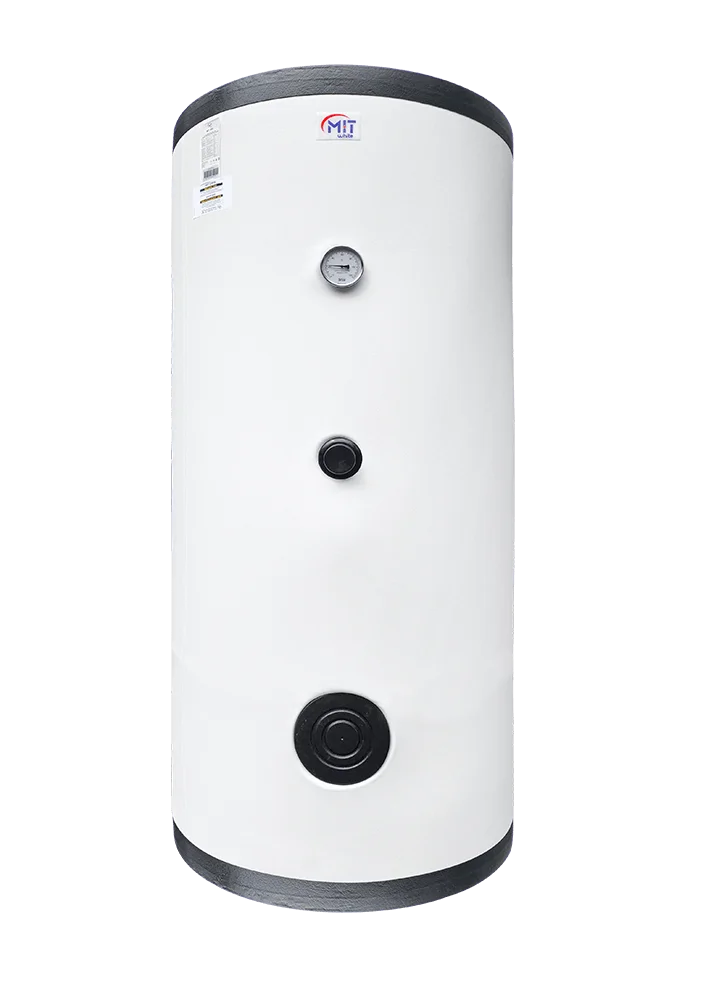
A boiler is a pressure vessel designed for heating and storing potable water. It is generally used to meet the hot water needs in central systems or industrial processes. Its internal structure consists of a body where water is stored and a coil or electric resistance that provides heat transfer. Energy sources include hot water boilers, steam boilers, solar energy systems, heat pumps, and electrical systems. Boilers transfer the heat they receive from these sources to the water they store, providing continuous and efficient hot water supply.
The operating principle of a boiler is fundamentally based on heat transfer. In coil systems, hot water or steam from the heat source passes through the coil inside the boiler, heating the stored water. In electric boilers, the water is heated through stainless steel resistances. As the heated water rises to the upper part, cooler water remains in the lower section, and the system is supported by thermostats for temperature control. This allows for uninterrupted hot water usage when needed.
One of the most important advantages of boiler systems is their ability to provide high temperature stability. Since the potable water is stored, there is no performance drop even during sudden hot water demands. Additionally, high-density insulation is applied to minimize energy loss. The quality of insulation is directly decisive in energy efficiency, so qualified polyurethane and special casing materials are preferred.
Hygiene and corrosion resistance are primary criteria in boiler design. The double-layer enamel coating used on internal surfaces provides hygienic potable water and prevents rusting. Additionally, the cathodic protection system prevents electrochemical corrosion that can be caused by ions in the water. Durability tests, quality standards, and surface preparation techniques such as double coating support the long-lasting and safe use of boilers.
Choosing the right type and capacity of a boiler according to the project is of great importance. Parameters such as usage purpose, energy source, storage volume, operating pressure, and corrosion resistance directly affect system efficiency and operating costs. Therefore, when selecting a boiler, a comprehensive evaluation should be made in terms of both technical requirements and energy management.
Single Coil Boiler
Single coil boilers are systems where potable water is heated with the help of a single heat exchanger coil. They are generally preferred in central heating systems, installations working with solid fuel or natural gas boilers, and solar energy applications. The single coil structure allows the system to operate simply and efficiently, ensuring stable hot water production.
In this type of boiler, the coil is located inside the boiler body, and the hot fluid coming from the heat source transfers heat to the water in the storage as it passes over the coil. The large surface area and high conductivity properties of the coil, which serves as a heat exchanger, ensure that the water heats up quickly and homogeneously. Thus, reliable performance is achieved in daily usage demands.
One of the biggest advantages of single coil boilers is energy efficiency. Since heat transfer occurs through a single circuit, the system is simple and has low maintenance needs. This structure keeps operating and service costs at a minimum level. Additionally, the double-layer hygienic enamel coating and cathodic protection system used in the boiler body provide long life and high corrosion resistance. The high-density polyurethane used as insulation material helps reduce energy loss, keeping hot water at a stable temperature for a long time.
Single coil boilers can be produced in a wide capacity range from 160 liters to 5000 liters. This makes them suitable for use in both residential applications and businesses such as hotels, hospitals, sports facilities, industrial workshops, and factories. The system is designed to withstand high pressure, suitable for an operating pressure of 10 bar. This type of boiler is an ideal solution, especially in facilities with a single energy source and in applications where hot water demand is regular. It also provides efficient results in renewable energy infrastructures such as solar energy systems. When regular maintenance is performed, single coil boilers offer reliable use for many years, meeting the expectations of a wide user base with their compact design and stable performance.
Double Coil Boiler
Double coil boilers are hot water storage systems that heat potable water with the help of two separate heat exchanger coils, offering high efficiency and flexible operation. With this design, the boiler can operate simultaneously with two different heat sources. Double coil boilers, especially preferred in solar energy systems and boiler-supported hybrid structures, provide sustainable and economical energy management.
The serpentine located at the bottom of the system is generally connected to solar collectors as a renewable energy source. The upper serpentine is integrated with auxiliary heat sources such as natural gas boilers, solid fuel boilers, heat pumps, or central heating systems. This structure ensures maximum energy utilization from the sun, and in cases where solar energy is insufficient, the support system activates to continue uninterrupted hot water production. Thus, significant savings in energy costs are achieved.
The double-layer hygienic enamel coating and cathodic protection system used in the production of double serpentine boilers provide maximum hygiene and corrosion resistance on the inner surfaces. The easily cleanable wide body structure allows for long-lasting use in areas such as hotels, hospitals, dormitories, sports complexes, and industrial facilities, where health standards are crucial. Additionally, thanks to high-density polyurethane insulation and winlex cover options, heat losses are minimized, and hot water is maintained at an ideal temperature for a long time.
Double serpentine boilers are produced in a wide capacity range from 160 liters to 5000 liters. This variety offers solutions suitable for very different usage areas, from small commercial enterprises to large industrial facilities. The system operates safely and stably at a working pressure of 10 bar, maintaining performance even under challenging field conditions with its high-temperature resistance and impact-resistant body.
This boiler model is an ideal solution, especially for facilities requiring energy integration. When operating alongside solar energy, it contributes to reducing the carbon footprint and supports sustainable energy use. Thanks to its hybrid structure, users can manage energy sources in the most efficient way according to seasonal and economic conditions. Thus, both long-term energy savings are achieved, and environmental sustainability goals are met.
Electric Boiler
Electric boilers are hot water storage systems that operate entirely on electrical energy without using any serpentine or external heat source for heating the water. The heating process is carried out through stainless steel resistors located inside the boilers. This structure makes electric boilers an easy-to-install and low-maintenance solution.
Electric boilers are generally preferred in individual residences, commercial enterprises, industrial process points, and areas where central heating connections are not possible. Their operation with electrical energy provides users with an independent system from energy sources, making them an ideal solution, especially in buildings without heating boilers.
In these systems, the surfaces that come into contact with water are protected with double-layer hygienic enamel coating and supported by cathodic protection technology against corrosion. Additionally, energy loss is kept to a minimum thanks to polyurethane insulation, which ensures that hot water stays warm for a long time. The resistors of electric boilers are made of stainless steel material, providing long-lasting use and high durability.
Electric boilers are produced with a wide range of capacity options from 160 liters to 5000 liters. This capacity diversity caters to a wide range of uses, from household needs to commercial and industrial areas with high hot water demand, such as hotels, restaurants, hospitals, and sports centers. With a working pressure resistance of 10 bar, they ensure safe operation and demonstrate stable performance against pressure fluctuations.
Among the most important advantages of electric boilers are silent operation, easy installation, low maintenance needs, and flexible installation options. Additionally, in buildings where renewable energy can be used, hybrid electric boiler applications supported by solar energy can also be preferred. This way, sustainable energy use is ensured, and energy costs are optimized.
In conclusion, electric boilers offer a highly efficient and long-lasting hot water solution for both individual and corporate users, with ease of use, energy independence, hygienic assurance, and a wide range of capacity options.
Stainless Steel Boilers
Stainless steel boilers are high-performance hot water tanks that provide maximum hygiene, superior corrosion resistance, and long life in hot water storage and heating processes. Made entirely of stainless steel, these boilers are especially preferred in areas requiring high hygiene standards and facilities with a high risk of corrosion. The use of AISI 304 or AISI 316 quality stainless steel gives the system both structural strength and chemical resistance.
Thanks to their stainless steel structure, there is no need for coating on the inner surfaces; the surfaces are smooth with their natural metal structure and do not allow bacteria to adhere. This feature makes stainless steel boilers ideal for food production facilities, hospitals, laboratories, pharmaceutical industry, and drinking water applications. Maintaining hygiene and preventing chemical contamination in environments where hot water comes into contact with metal surfaces are among the most significant advantages of these types of boilers.
Stainless steel boilers stand out with their high-temperature resistance and stable operation under long-term pressure. Thanks to their 10 bar working pressure resistance and high-density polyurethane insulation, water is kept at a stable temperature for a long time, and energy losses are minimized. Additionally, models using stainless steel resistors provide long-lasting and reliable performance in electric-assisted systems.
These boilers provide superior durability in areas with aggressive water chemistry and high mineral levels in municipal waters. They are particularly more resistant to corrosion in environments such as waters with high chlorine content, industrial process waters, or drinking water systems. With a wide range of capacity options and different connection configurations, stainless steel boilers become an ideal solution for both industrial and commercial projects.
In conclusion, stainless steel boilers are long-lasting and highly efficient storage tanks that offer safe use in areas where hygiene is critical. Their corrosion resistance, coating-free structure, low maintenance needs, and high energy savings make them a reliable choice in modern facilities.
Enamel Coated Boilers
Enamel-coated boilers are hot water storage systems coated with a hygienic enamel layer applied by firing the inner surface at high temperatures. This special coating creates a glass-like smooth surface on the boiler's inner surface, protecting the metal surface in contact with water from corrosion. Enamel-coated boilers, widely used in both industrial and residential applications, are an indispensable solution for hot water systems that require high hygiene.
The enamel coating provides maximum hygiene and chemical resistance on surfaces in contact with hot water. Thanks to its structure that does not harbor microbes and bacteria, it is safely preferred in hotels, hospitals, restaurants, food production facilities, and public areas where food safety and sanitation standards are crucial. Additionally, the smooth surface prevents the formation of odors, sediment, and bacteria in the water storage environment.
The double-layer enamel application used in enamel-coated boilers offers long life and high strength. Before coating during the production phase, detailed surface cleaning and double dipping processes are applied to the inner surfaces. This process ensures that the coating adheres completely to the surface, preventing peeling or cracking of the coating. Additionally, the cathodic protection system used in boilers extends the life of the boilers by preventing electrochemical corrosion.
These boilers use high-density polyurethane insulation, minimizing heat loss. Thus, hot water is maintained at a stable temperature for a long time, providing energy savings. The wide range of capacity options offers a broad application area from individual residences to large industrial facilities. The products provide safe use at 10 bar operating pressure and are resistant to thermal expansion in the system.
Enamel-coated boilers are an important part of modern technical infrastructures, offering durability, hygiene, and energy efficiency together. Especially in regions where water quality is variable, they provide reliable service for many years by demonstrating stable performance under high temperature and pressure.
Overview of Industrial Applications of Boilers
Boilers offer a wide range of applications due to their ability to operate with different heat sources, high-capacity hot water production capability, and durable structures. They provide reliable hot water supply in many areas, from industrial production facilities to residential projects, energy plants to the health and food sectors. Boilers play a critical role in all systems where hot water must be used hygienically, continuously, and in a controlled manner.
In industry, in addition to process hot water needs, boiler systems are also utilized in cleaning lines, sterilization systems, and employee usage areas. In domestic and commercial applications, boilers are preferred for the production of comfort hot water. Enamel and epoxy-coated options provide high corrosion resistance and hygiene, offering advantages especially in health-sensitive applications. At the same time, double-coil and electric boiler options contribute to sustainability goals by ensuring compatibility with renewable energy systems.
Below are the most common sectors where boilers are used:
• Food industry
• Automotive production facilities
• Maritime and ship systems
• HVAC and building plumbing applications
• Petrochemical and pharmaceutical sectors
• Metal industry and process facilities
• Energy and cogeneration systems
• Textile industry
The hot water needs, working conditions, and hygiene requirements vary for each sector. Therefore, selecting the right type of boiler is critically important for system efficiency and long life.
Food Industry
The food industry is one of the sectors where hygiene standards are applied at the highest level and process safety is of critical importance. Boiler systems are intensively used in a wide range of facilities such as milk and dairy product production plants, juice factories, beverage filling lines, canned food production facilities, meat processing plants, flour and starch facilities. In these areas, hot water is indispensable for both production processes and equipment and surface sanitation.
The water used in food production must be hygienic and free from microbial risks. Enamel-coated boilers with cathodic protection systems ensure that the surface in contact with water is smooth, cleanable, and resistant to bacterial formation. This enables the safe and healthy use of hot water in production lines. Epoxy-coated alternatives provide an ideal solution against corrosion in areas with high mineral content water.
In food processes, hot water is used for different purposes:
• Cleaning and disinfection in CIP (Clean in Place) lines
• Washing machine and equipment surfaces
• Hygienic cleaning of filling lines
• Heating or holding raw materials at specific temperatures
• Sterilization processes
• Sanitation of product preparation areas
Since the temperature of the water is critical during these processes, boilers meet the needs of the food sector with stable temperature stability, high efficiency, and rapid heating capacity. The high-density insulation structure contributes to reducing energy costs by minimizing energy losses. Double-coil boiler options support sustainable food production practices by offering hybrid use possibilities with renewable sources such as solar energy.
Since uninterrupted production is essential in the food industry, the boiler systems used are expected to be long-lasting, resistant to shocks and pressure, and require low maintenance. A working pressure of 10 bar, which is resistant to pressure and temperature fluctuations, ensures safe use and supports production continuity.
In conclusion, boilers play a critical role in hygiene management and production lines in the food industry; they ensure compliance with quality standards and contribute to optimizing operating costs through energy efficiency.
Automotive Industry
The automotive industry is one of the sectors that requires intensive hot water and controlled heat management due to high-tech production lines, testing systems, and painting applications. Hot water is used on a large scale in critical areas such as vehicle body production, engine assembly lines, metal surface preparation processes, and body-paint workshops to ensure heat control and process hygiene. Boilers are strategic equipment that support the uninterrupted and efficient operation of these processes.
Automotive production is a multi-stage process, and specific temperature levels of water are needed at each stage. For example, in phosphating lines, hot water is essential for pre-coating surface preparation and in chemical bath systems. Temperature stability ensures that chemical reactions occur correctly and directly affects the quality of the final product. Therefore, the boilers used in automotive facilities must have high heating capacity, stable temperature control, and rapid heat recovery features.
Areas such as paint shops and surface treatment lines require intensive cleaning and washing. Boilers provide a reliable hot water source for high-pressure washing systems and industrial cleaning lines. Additionally, in testing and laboratory units, boiler systems play an important role in process stabilization and equipment climate control. Electric or double-coil models can be integrated with steam or central heating systems to achieve maximum efficiency.
Due to the continuous and challenging conditions of the working environment in this sector, it is critical for boilers to have a robust mechanical structure, be corrosion-resistant, and have a long lifespan. Features such as 10 bar operating pressure, high-density polyurethane insulation, and double-layer enamel coating meet the high durability expectations of the automotive industry. Additionally, energy efficiency is an important part of sustainability efforts in the automotive sector. Double-coil boilers help businesses reduce their carbon footprint by working with renewable sources such as heat pumps and solar energy.
Continuity of production is essential in automotive factories. Therefore, the ability of boiler systems to demonstrate stable performance for a long time without requiring regular maintenance makes a significant difference in system reliability and operational efficiency. Uninterrupted hot water supply is one of the key components of both quality control processes and operational safety.
As a result, boilers provide energy efficiency, quality continuity, and operational safety in the complex and high-precision manufacturing processes of the automotive industry. The right choice of boiler enhances the performance of production lines, reduces energy costs, and contributes to sustainable production goals.
Marine and Ship Systems
The maritime sector requires durable, long-lasting, and high-performance equipment due to the challenging nature of both open sea conditions and onboard operations. The need for hot water is constant in ship machinery, climate control systems, living spaces, and technical departments, and boiler systems are one of the essential components that meet this requirement. Marine boilers, thanks to their saltwater and corrosion-resistant structures, offer reliable use in marine conditions for a long time.
Hot water on ships is used in crew living areas, kitchens, laundries, machinery space equipment cleaning, and process lines. Especially for commercial ships that operate on long voyages, passenger ships, tankers, tugs, and military vessels, boiler systems are an indispensable part of safe and stable hot water supply. The hot fluid from ship boilers can be used as an energy source, along with steam systems or electric resistances. Double-coil boiler models provide flexibility by allowing the simultaneous use of different energy sources.
Since the marine environment contains a high level of salt, it is critical for the inner and outer surfaces of boilers to be resistant to corrosion. Therefore, double-layer enamel coating, cathodic protection, and high-quality insulation structures are preferred in maritime applications. The smooth and hygienic structure of the enamel surface ensures the hygiene of hot water and provides resistance to chemical agents. Hard surface coatings that are resistant to impact, vibration, and aggressive environmental conditions are used in the outer body structure.
Energy efficiency is of great importance in marine boilers. Optimizing energy consumption on ships directly affects operational costs. Therefore, high-insulation structures minimize heat losses and ensure that hot water remains at a stable temperature for a long time. Stainless resistances used in electric models are designed for long-lasting use and are resistant to salty seawater conditions.
Safety standards in the maritime sector are determined by international regulations. For this reason, boilers must be pressure-resistant, pass standard tests, and be certified. Since any malfunction during open sea operations can lead to serious operational disruptions, reliable performance and low maintenance needs are fundamental requirements for marine boilers.
In conclusion, boilers serve as a strategic component for both comfort and operational needs in the maritime sector. With durability, corrosion resistance, energy efficiency, and the ability to provide uninterrupted hot water, they offer safe and efficient use in ship and marine systems.
HVAC and Building Plumbing Systems
HVAC (Heating, Ventilation, Air Conditioning) and building plumbing systems are essential infrastructures that provide comfort, hygiene, and energy efficiency in modern buildings. In these systems, applications requiring hot water and heat transfer play a critical role. Boilers are reliable equipment that ensures continuous hot water supply in hotels, hospitals, residential projects, office buildings, university dormitories, sports complexes, and communal living spaces.
In central hot water systems, boilers heat the water stored from energy coming from boilers or heat pumps to meet the high volume hot water needs. Especially in large buildings, high-volume boiler systems are used to meet sudden and intense hot water demands. Double-coil options work in integration with both boiler and solar energy systems to provide energy efficiency. Electric boilers are preferred as a support element in individual usage areas or in projects requiring additional capacity.
The main advantages of boilers in HVAC systems are as follows:
• Uninterrupted and high-flow hot water supply
• Stable temperature control in central systems
• High-density insulation that provides energy savings
• Hygienic hot water production and prevention of bacterial formation
• Integration possibility with solar energy systems
• Flexible solution options in different capacities
The inner surfaces of the boilers used in these structures are protected with double-layer enamel coating and supported by a cathodic protection system. This structure provides safe use, especially in facilities such as hotels and hospitals where hygiene must be maintained at a high level. At the same time, high pressure resistance, long operational life, and low maintenance needs provide significant advantages in these types of buildings that require intensive and continuous operation.
Energy efficiency is critically important in HVAC projects. Therefore, the quality and density of insulation materials used in boilers directly affect total operating costs. Polyurethane insulation ensures that hot water remains at a stable temperature for a long time and minimizes energy loss. Additionally, enamel and epoxy-coated structures support the system's hygiene and longevity.
In today's urban life, sustainable building practices are gaining increasing importance. Double-coil boilers work in harmony with solar collectors and heat pumps to contribute to reducing carbon footprints and achieving green building certification goals.
In conclusion, boilers are essential heating components that provide comfort, efficiency, and safety in all modern building systems, from residential to commercial projects. With the correct capacity selection and appropriate energy source, they ensure the sustainable and efficient support of comfortable living spaces.
Petrochemical and Pharmaceutical Industry
Petrochemical and pharmaceutical industries are strategic sectors with processes operating in high temperature, high pressure, and aggressive chemical environments. The durability and hygiene standards of the equipment used in these areas are extremely critical. Boilers provide reliable hot water supply for process water preparation, equipment cleaning, laboratory systems, and sterilization applications, supporting the continuity of production processes.
The quality and stability of hot water are vital in these sectors. Especially in pharmaceutical production facilities and biotechnological processes, the microbiological and chemical purity of the water used must be controlled at a high level. Enamel-coated boilers ensure that the water remains hygienic thanks to their smooth inner surfaces and antibacterial properties. The structure supported by a cathodic protection system prevents corrosion, providing long-lasting and safe use. Boilers with chemically resistant epoxy coatings are among the preferred solutions in petrochemical facilities where aggressive fluids are present.
Hot water is used in critical applications in the petrochemical and pharmaceutical industry:
• Sterilization and disinfection processes
• Process water preparation and maintaining a constant temperature
• CIP (Clean-in-Place) cleaning systems
• Washing of production equipment and lines
• Laboratory and quality control areas
• Process environment temperature control
Processes in these sectors cannot tolerate interruptions. Therefore, the boilers used must have high pressure resistance, thermal stability, low maintenance needs, and long service life. A working pressure of 10 bar, high insulation density, and thermal stability provide significant advantages in terms of both safety and operational efficiency.
Moreover, energy management is an important parameter for both production continuity and cost control. Double-coil boilers, integrated with steam lines, heat recovery systems, and solar energy collectors, enhance energy efficiency. This way, both the carbon footprint is reduced and operating costs are optimized.
In conclusion, the boiler systems used in the petrochemical and pharmaceutical sectors ensure the uninterrupted and safe execution of critical production processes by offering high durability, hygienic structures, chemical resistance, and sustainable energy efficiency.
Metal Industry and Process Facilities
The metal industry and heavy industrial facilities are production environments with high heat, high pressure, and intense process flows. The equipment used in these facilities must be durable against harsh working conditions and provide uninterrupted support to production processes. Boilers play a critical role in supplying hot water for process water heating, surface cleaning, chemical bath preparation, and personnel use in metal processing lines.
In metal processing facilities, hot water is especially used effectively in surface treatment steps. Using water at specific temperatures during galvanizing, post-sanding washing, chemical coating, phosphating, and pre-paint surface preparation processes is essential for quality. Maintaining stable temperatures during these stages is vital for removing oil, dirt, and oxides from the metal surface and ensuring high coating adhesion performance. Boilers increase the efficiency of production lines by providing continuous and stable temperatures during these processes.
Additionally, the inner surface durability of boilers plays a critical role in the chemical washing and cleaning lines that are heavily used in the metal industry. Double-layer enamel coating and cathodic protection systems provide maximum protection against abrasive environments. When necessary, epoxy-coated boiler options also enhance chemical resistance, providing safe use especially in process lines containing aggressive chemicals.
Energy efficiency is an important criterion that directly affects costs in the metal sector. Integrating heat recovery units of double-coil boiler systems with steam boilers or waste heat sources provides energy savings and minimizes operating expenses. Polyurethane insulation contributes to process efficiency by reducing heat loss and ensures that water remains hot for a long time.
The intense working pace, high temperatures, and constant demand in this sector require high levels of equipment durability. A pressure resistance of 10 bar, protection against rust, and a robust body structure ensure that boilers provide safe service for many years. Additionally, low maintenance needs offer significant advantages for the continuity of metal production lines and controlling planned maintenance costs.
In conclusion, boilers contribute to the standardization of production processes in the metal industry and process facilities while providing energy efficiency and operational continuity. The correct boiler selection enhances the performance of metal processing lines, improves product quality, and optimizes operating costs.
Energy and Cogeneration Systems
Energy production and cogeneration facilities have critical importance for hot water and heat management. In these areas, boilers are used to provide hot water for process heat preparation, facility safety, auxiliary system support, and personnel usage. The waste heat generated in cogeneration and trigeneration systems is efficiently recovered through double coil boilers.
Working at high temperatures, continuous sub-load operations, and pressure fluctuations are standard conditions in this sector. Therefore, the boilers used must have high pressure resistance, a strong insulation structure, corrosion resistance, and a long-lasting body design. Energy efficiency and continuity are essential in these facilities; boiler systems also support this goal with low maintenance needs.
As a result, boilers in energy and cogeneration facilities directly contribute to operational sustainability, energy savings, and process safety.
Textile Industry
The textile industry has processes that heavily require hot water and heat energy, such as dyeing, finishing, washing, steaming, and drying. Boilers support the preservation of process quality and production continuity by providing water at a stable temperature in these lines.
Especially in dyeing and finishing processes, precise control of water temperature is critical for product quality, thus boiler systems that offer high efficiency and rapid heat recovery are preferred. Double coil boilers reduce energy costs by being integrated with boilers and renewable energy systems. Enamel coating and cathodic protection provide longevity and corrosion resistance in these facilities where chemicals are heavily used.
Since continuous production is essential in textile factories, it is important for boilers to offer high durability, low maintenance needs, and high efficiency. With these features, boilers contribute to the reliable and economical execution of textile production processes.