In modern industrial applications, safety, hygiene, durability, and sustainability have become fundamental priorities for both manufacturers and end-users. The equipment used in industrial processes meeting these criteria directly affects not only operational efficiency but also product quality, system lifespan, and environmental impact. Especially in systems used for storing fluids containing liquids, gases, or chemicals, these criteria become much more critical. At this point, stainless steel tanks make a difference by offering high-performance, long-lasting, and reliable solutions.
Stainless tanks have become indispensable building blocks of industrial facilities due to their high corrosion resistance, thermal durability, hygienic surface properties, and ease of maintenance. They not only ensure the safety of the process but also reduce operating costs, shortening the return on investment period. Additionally, being designed and manufactured in accordance with the quality standards and regulations required by modern production processes makes these tanks much more preferable.
Used in a wide range from the food industry to the chemical industry, pharmaceutical production facilities to power plants, automotive factories to textile and metal processing lines, stainless tanks can be designed specifically for the unique needs of each sector. Whether in low-volume process applications or high-capacity storage needs, stainless tanks provide great advantages to their users with the flexibility they offer.
In this article, we provide detailed and technical answers to all the questions you may have, such as "What is a stainless tank?", "What engineering criteria should be considered in its production?", "In which sectors and for what purposes is it used?", and "Why should stainless tanks be preferred?". We will also take a closer look at Ekin Industrial's expertise in this field and the high-quality, certified stainless tank solutions it offers.
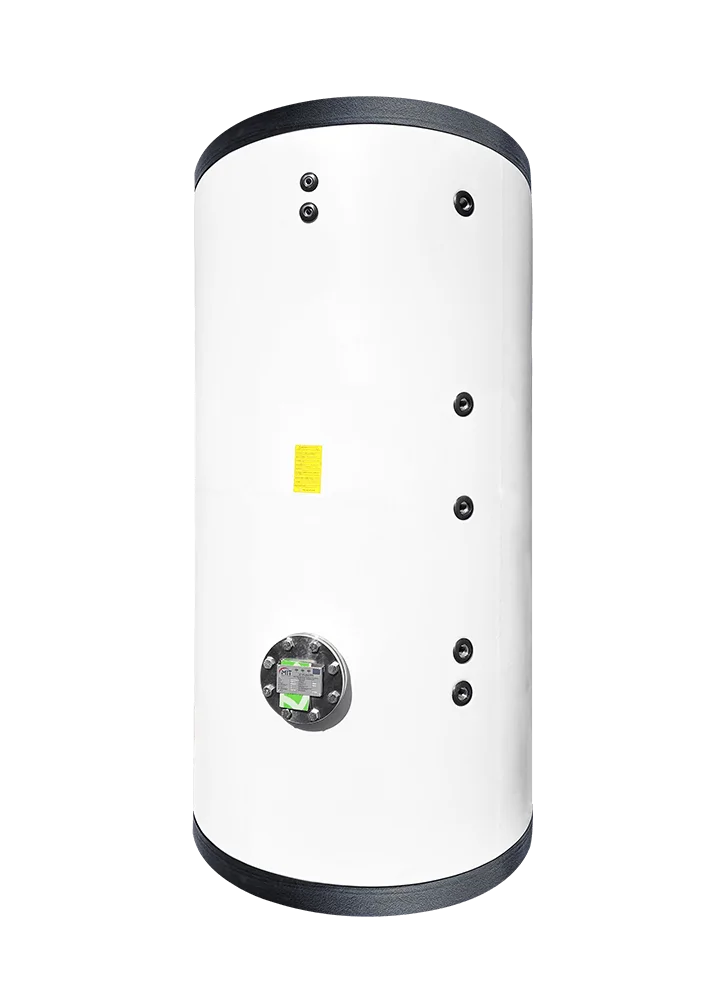
Stainless tanks are industrial storage units made of high-alloy stainless steel that ensure the safe, hygienic, and long-lasting storage of substances in liquid, gas, or semi-fluid form. These tanks can be designed for both pressurized and non-pressurized usage needs. The most preferred types of stainless steel in their production are AISI 304, AISI 316, and AISI 316Ti. These materials stand out with their high chemical resistance, corrosion resistance, and safety in terms of hygiene standards.
Stainless tanks are widely used in many sectors such as food, pharmaceuticals, chemicals, petrochemicals, automotive, energy, textiles, and maritime. The biggest advantage of these tanks is that they provide an environment that can preserve the physical and chemical properties of the products placed inside for a long time without deterioration. Especially acidic, basic, or corrosive fluids can be safely stored thanks to the high resistance properties of stainless steel. Additionally, their smooth inner surfaces prevent bacterial formation and provide easy cleanability, making them ideal for applications requiring hygiene.
Offering extremely flexible solutions in terms of capacity, stainless tanks can be produced in different volumes starting from 100 liters up to 5000 liters and above. Depending on the purpose of use, they can be designed horizontally or vertically, with or without legs. If desired, the outer surface of the tanks can be insulated to maintain the temperature inside; this provides a significant advantage, especially in hot water and chemical processes.
The design process is determined by considering the geometry of the tanks, operating pressure, temperature range, viscosity of the contained fluid, and environmental factors in the usage environment. Accordingly, production can be carried out with different head types such as spherical head, conical part, ellipsoidal, or torispherical head. Additionally, functional details such as pipe connection ports, flanges, manometer outlets, and maintenance manhole covers are planned specifically for the project.
Manufactured with advanced welding techniques and quality control methods, stainless tanks maintain system integrity not only during production but also in long-term use. Ekin Industrial develops tank solutions suitable for sector-specific needs with its engineering strength, certified welders, and international quality certificates in this field.
Design Criteria Before Production
For a stainless tank to serve safely, efficiently, and long-lastingly, using only quality materials is not enough. Detailed engineering calculations must be made before production, and the specific conditions of the application site must be carefully evaluated. Correct analyses during the design phase directly affect both operational safety and economic efficiency. Here are the basic criteria to be considered in stainless tank production:
1. Operating Temperature and Pressure
The maximum operating temperature and internal pressure values that the tank will encounter in the process are among the most important factors determining the tank's resistance. In tanks exposed to high temperature or pressure; both the thickness of the body sheet and the structure of the weld seams should be projected accordingly. Additionally, whether the tank will operate under pressure or atmospheric conditions is also decisive at this point. If necessary, compliance with international standards such as PED (Pressure Equipment Directive) should also be considered.
2. Tank Volume and Geometric Dimensions
The volume of stainless tanks should be determined specifically according to the purpose of use and the spatial conditions in the area. There are significant differences both in terms of engineering and production between small-volume process tanks (100–500 liters) and large-volume storage tanks (1000–5000 liters and above). The height, diameter, and wall ratio of the tank directly affect the dynamics of the fluid inside and the heat transfer properties. The choice of horizontal or vertical positioning is also made in line with these criteria.
3. Material Properties
The most frequently used steel types in stainless tanks are AISI 304, AISI 316, and AISI 316Ti. When selecting materials, the chemical properties of the fluid to be stored inside (acidity, alkalinity, oxidizing nature, etc.), temperature range, and usage duration should be considered. For example; while AISI 316 is preferred in systems exposed to seawater, titanium alloyed AISI 316Ti may be more suitable in processes operating at high temperatures. Correct material selection minimizes the risk of corrosion and extends the tank's lifespan.
4. Head Type (Cover Structure)
The head structures used on the top and bottom covers of the tanks affect both mechanical strength and production cost. Commonly used head types are:
Spherical Head: It has good resistance to high pressure and is generally used in process tanks.
Ellipsoidal Head: Provides balanced load distribution under pressure, offering both aesthetic and mechanical advantages.
Conical Head: Preferred in cases where easy drainage of the fluid is required.
Torispherical Head: Increases both the strength and cleanability of the tank.
The head type should be selected according to the environment in which the tank will operate, the characteristics of the content, and maintenance requirements.
5. Pipe Connection Ports and Pressure Class
The dimensions and placements of connection points such as inlet-outlet connections, cleaning nozzles, ventilation chimneys, level indicators, and safety valves should be projected appropriately for the application. Additionally, the pressure class that these connections will withstand should also be considered. Especially in process tanks, flanges and connection elements conforming to DIN, ANSI, or PN norms should be used.
6. Environmental and Climatic Conditions
The climatic and geographical features of the environment where the tank will be installed also affect the structural design. For example:
External effects such as wind load and snow load should be considered in the static calculations of the tank.
In regions with earthquake risk, the tank base and supporting leg system should be designed in accordance with seismic regulations.
Ground properties are critical, especially for large-volume tanks, and appropriate anchoring solutions should be considered to eliminate the risk of the tank tipping over.
Ekin Industrial meticulously analyzes all these parameters and implements the most suitable stainless tank design for the customer's needs and sector requirements. Thus, safety, performance, and longevity are combined in a single structure.
The Importance of Temperature in Material Selection
Selecting the right material in stainless tank design is critically important for the safety and long-term performance of the system. One of the main factors directly affecting this selection is the temperature of the fluid. Because many fluids show significant changes in both physical (viscosity, density, expansion rate) and chemical (reactivity, acidity, vapor pressure) properties depending on temperature change. Incorrect material choices, especially in systems operating at high temperatures, can cause the tank to deform over time, be exposed to corrosion, or lose its structural integrity.
For example, products such as milk and fruit juice used in the food industry can spoil or undergo structural changes above certain temperature values; aggressive chemicals used in the chemical and pharmaceutical sectors can become more corrosive with temperature. Therefore, making material selection without knowing the exact temperature range of the fluid to be used poses a serious risk.
There are also performance differences among stainless steel grades depending on temperature:
AISI 304 is suitable for general use but has limited performance in high temperature and chlorine-containing environments.
AISI 316 is more durable, especially in acidic and salty environments, and is therefore preferred in tanks carrying seawater or chemicals.
AISI 316Ti offers extra strength against high temperatures due to its titanium alloy structure and provides a longer lifespan.
In addition to these, as the operating temperature of the tank increases, not only material selection but also wall thickness calculations should be reconsidered. Because in high-temperature environments, the yield strength of the material decreases; this can negatively affect the tank's strength. In such cases, not only the type of stainless steel but also elements such as design pressure, reinforcement elements, and insulation system should be reevaluated.
Additionally, in tanks exposed to temperature changes, the effect of thermal expansion should also be considered. Therefore, anchor connections, expansion allowances, and insulation structure should be planned with special solutions. Especially in processes involving both cold and hot cycles, an experienced engineering approach is essential to minimize the risks of cracking and deformation.
At Ekin Industrial, thanks to the detailed engineering analyses we conduct for each project, we determine the most suitable material and design combination by considering the physical and chemical properties of the fluid, temperature range, and operating conditions. Thus, we offer the most advantageous solution not only technically but also economically and in terms of sustainability to the user.
Welding Quality: A Vital Element in Stainless Boilers
In the production of stainless tanks and boilers, the welding process is one of the most critical stages in terms of the tank's body integrity and leak-proof performance. Weld seams not only ensure the assembly of the parts forming the tank but also determine the overall strength and long-term durability of the system. Especially in tanks operating under pressure, welded areas can become the weakest link in the entire structure. Therefore, the welding process should be evaluated not only as a manufacturing process but also as a quality criterion at the center of risk control in engineering.
Welding errors that may occur in tanks include problems such as hairline cracks, undercut (excessive gouging at the edge of the weld), porosity (gas voids), lack of fusion, and lack of penetration. Many of these defects are not noticeable at first glance but can progress over time under internal pressure, temperature changes, and mechanical vibrations, leading to tank explosion, leakage, or structural failure. This situation can cause both the production line to stop and serious safety risks.
Therefore, the following principles must be observed in the production of high-quality stainless tanks:
All weld seams should be inspected with non-destructive testing methods (NDT). Especially X-ray (RT) and ultrasonic tests (UT) are effective methods for detecting microscopic cracks and voids beneath the surface.
Welding personnel should have internationally recognized certifications. All welders working within Ekin Industrial have various accreditations, primarily from BV (Bureau Veritas). These certificates document that the welders can perform welding operations suitable for high-pressure and hygienic environments with the correct techniques.
Welding procedures should be carried out in accordance with WPS (Welding Procedure Specification) and PQR (Procedure Qualification Record) documents. These procedures guarantee the compliance of the material and welding method (TIG, MIG, submerged arc, etc.) with standards.
Surface cleaning and preparation should be meticulously done before welding. Contaminations (oil, dust, oxide layer, etc.) on stainless steel directly affect welding quality.
Post-weld treatments should be applied to increase the strength of the seam areas, and if necessary, passivation should be performed to reinforce corrosion resistance.
The long-term operation of stainless boilers and tanks under the most challenging conditions depends on these welding processes being carried out with zero defect tolerance and in international standards. Especially in tanks in contact with drinking water, chemicals, or hygienic fluids, weld seams should not cause even microscopic leaks.
At Ekin Industrial, we conduct the welding processes in tank production within the framework of full traceability, quality control records, and documented expertise. Each weld seam is subjected to specific testing and reporting processes, delivering safe, trouble-free, and long-lasting products to the customer. This approach sustainably supports both production quality and brand reliability.
Usage Areas and Sectoral Solutions of Stainless Water Tanks
Stainless water tanks are versatile equipment preferred not only for the safe storage of water but also for different types of fluids in numerous industrial and commercial areas. Thanks to their design that can meet the specific needs of different sectors, these tanks ensure process continuity and increase operational safety and efficiency. Below, the main usage areas of stainless tanks and the sectoral solutions they offer are explained in detail:
1. Food Industry: The Essential Element of Hygienic Storage
In the food sector, hygiene is an indispensable criterion in terms of product quality and food safety. Stainless tanks are actively used in the production, processing, fermentation, and storage processes of liquids such as dairy products, fruit juice, beer, syrup, sauce, oil, and drinking water.
• Their easily cleanable inner surfaces do not allow bacterial formation.
• With their full compatibility with CIP (Clean-In-Place) systems, they automate cleaning.
• Their suitability for contact with food is guaranteed by using materials that comply with standards such as FDA and EC 1935/2004.
• Their high-temperature resistance and corrosion resistance offer a long-lasting and hygienic solution.
2. Automotive Industry: Continuity and Precise Process Management
In the automotive sector, the efficiency of production lines is directly related to the continuity of processes. Stainless tanks;
• Support production quality by being used in paint lines, heat transfer systems, leak tests, and cleaning lines.
• Ensure the stability of different chemical fluids in paint and coating processes.
• Offer ease of factory interior layout with their compact and modular structure.
• Their high temperature and pressure resistance make the tanks durable for challenging automotive processes.
3. Maritime Sector: Superior Resistance to Corrosion
The maritime sector requires special material needs due to aggressive environmental conditions (saltwater, high humidity, vibration). Stainless tanks are one of the most suitable solutions for these requirements:
• They are produced with AISI 316 and 316Ti materials, which are highly resistant to seawater.
• They are safely used in ships for freshwater production systems, cooling systems, fuel additive tanks, and ballast tanks.
• Their low maintenance requirement and long-lasting structure reduce ship operation costs.
• The high quality of weld seams is of vital importance for safe use at sea.
4. HVAC Systems: Key Role in Energy Efficiency
HVAC (heating, ventilation, and air conditioning) systems constitute a large part of energy consumption in residential and industrial buildings. Stainless tanks,
• Are used in heating water, domestic water, expansion tanks, and heat recovery systems.
• Increase energy efficiency with their insulated design that minimizes heat loss.
• Provide stable performance in high-rise buildings with their pressure-resistant structure.
• Their long lifespan minimizes maintenance and replacement costs.
5. Petrochemical and Pharmaceutical Sectors: Guarantee of Process Safety
High temperature, high pressure, and chemical aggressiveness... These three factors are indispensable for the petrochemical and pharmaceutical industries. Stainless tanks;
• Are produced from specially alloyed stainless steels to safely store corrosive and toxic chemicals.
• Provide high-level resistance to corrosive effects with passivation processes and inner surface polishing.
• Are used as process tanks, reactors, and buffer tanks.
• Are compliant with legal requirements in the pharmaceutical sector thanks to production processes that comply with GMP and FDA standards.
6. Metal Industry: Safe Storage for Challenging Conditions
In metal processing facilities, chemicals such as acids, alkaline solutions, oils, and cooling fluids are widely used.
• Stainless tanks are used in the storage of these fluids and their integration into the process line.
• Their designs resistant to high temperature and pressure stand out especially in rolling mills and foundries.
• The inner surfaces of the tanks can be supported with chemical-specific coating processes.
• They can be integrated with automatic filling-discharging systems.
7. Energy Production: Contribution to Sustainability
In energy production applications such as cogeneration systems, geothermal power plants, and biomass facilities, stainless tanks play an important role:
• In heat recovery systems, the storage and reuse of hot water are ensured.
• Special designs and thick-walled structures are used for high-temperature fluids.
• Minimize energy loss within the scope of sustainability goals.
• Integrate with smart systems with safety valves, insulation systems, and automation supports.
8. Textile Industry: Temperature and Process Stability
In the textile sector, temperature control of fluids during dyeing, finishing, and washing processes is very important.
• Stainless tanks ensure the safe storage of water, chemicals, and dye solutions used in these processes.
• Provide consistency in product quality thanks to homogeneous heat distribution.
• Their high resistance to chemicals allows for long-term use of the tank.
• Offer preferred solutions in terms of process continuity and energy efficiency.
These sectoral solutions demonstrate that stainless tanks are not just a storage unit but also strategic equipment that increases process efficiency, ensures system safety, and contributes to sustainability. As Ekin Industrial, we are proud to offer solutions with high engineering precision tailored to each sector.
Advantages of Stainless Tanks
Stainless tanks are not just a solution for storing liquids or chemicals but also strategic equipment that offers many advantages in terms of long-term efficiency, hygiene, safety, and environmental sustainability. Along with their wide application areas, their technical and structural superiority has made them indispensable in many sectors. Here are the prominent advantages of stainless tanks:
1. High Corrosion Resistance
Tanks made of stainless steel show exceptional resistance to many chemical substances, especially acidic and basic fluids. Alloys such as AISI 316 and 316Ti, in particular, offer advanced resistance to corrosive environments like chlorine, salt, and sulfate. Thus:
• They are safely used in the chemical, petrochemical, pharmaceutical, and maritime sectors.
• Surface deformations and metal fatigue are minimized.
• The need for external maintenance or surface renewal throughout the tank's service life is reduced.
2. Superior Hygiene Features
Stainless steel does not allow microorganisms to adhere due to its smooth surface. This feature provides a great advantage, especially in sectors with high hygiene sensitivity such as food, beverage, and pharmaceuticals.
• Its easily cleanable structure is compatible with CIP (Clean-In-Place) systems.
• It is compatible with FDA and European Food Standards, providing suitability for contact with food.
• Eliminates the risk of product contamination, increasing production quality.
3. Long-Lasting and Durable Structure
Stainless tanks can be used without problems for decades with proper design and regular maintenance. This minimizes the initial investment cost over time.
• Its resistance to corrosion and wear makes it durable over time.
• Maintains its mechanical properties even under high temperature and pressure.
• Offers a much more economical solution compared to frequently replaced plastic or galvanized tanks.
4. Low Maintenance Requirement
Stainless tanks can be used for many years with minimal maintenance needs due to their surface properties and structural integrity.
• The polished inner surfaces facilitate the cleaning process.
• Maintenance costs are reduced as there is no need for paint or coating on tank surfaces.
• When weld areas are properly controlled, leak tightness and strength are maintained for a long time.
5. Environmentally Friendly and Sustainable
Stainless steel is a 100% recyclable material. It offers an environmentally sensitive solution at all stages from the production process to the end of its service life.
• Scrap stainless steel can be reintroduced into production by melting.
• Its long-lasting structure reduces resource consumption and waste production.
• It is among the low carbon footprint product choices.
• It is among the preferred solutions in green building and sustainable production certifications.
6. Aesthetic and Industrial Compatibility
Especially in areas where there is visual contact with the user, such as food production facilities, hotels, restaurants, or hospitals, the aesthetic appearance of stainless steel provides a great advantage.
• Its bright and modern surface strengthens the perception of hygiene.
• Contributes to architectural aesthetics, creating both functional and visual integrity.
7. Engineering Flexibility
Stainless tanks can be shaped according to special needs during production. This allows for solutions that provide maximum efficiency for each sector:
• Can be produced in vertical, horizontal, conical, or cylindrical form.
• Can be made insulated or double-walled.
• All details such as inlet/outlet ports, level indicators, and manometer connections can be customized on a project basis.
The stainless tank solutions we offer as Ekin Industrial are not only in terms of technical performance; they are also a product choice that reduces operating costs, protects user health, and respects the environment. Choosing a quality tank guarantees not only today's but also the future's safety.
Custom Design and Certified Solutions with Ekin Industrial Assurance
In stainless tank production, it is not only important to use high-quality materials but also to offer products equipped with engineering details, designed according to sector-specific needs, and compliant with international standards. At Ekin Industrial, we act with this awareness, meticulously analyzing the requirements of each project and offering high-performance, reliable, and certified solutions.
In tank production, we offer a product range with a wide volume range starting from 100 liters up to 5000 liters. Special capacity designs beyond these limits can also be realized upon request. Production can be carried out in different stainless steel qualities such as AISI 304, AISI 316, and AISI 316Ti according to the type of fluid to be stored, temperature, and pressure values. Thanks to this material flexibility, customized tanks that can be safely used in different sectors such as food, pharmaceuticals, chemicals, energy, maritime, and HVAC can be developed.
Engineering Support at the Projecting Stage
At the beginning of each production process, a detailed design process is carried out with our engineering team to accurately analyze the customer's needs and offer the most suitable technical solution:
• Wall thickness and material selection are determined by considering operating temperature and pressure.
• All details such as connection ports, discharge lines, and level indicators are projected specifically for the purpose of use.
• In tanks with insulation requirements, insulation thickness, material type (polyurethane, glass wool, etc.), and external coating options are also planned specifically for the customer.
Certified and Standard-Compliant Production Process
All our production processes are carried out in compliance with national and international certification requirements, primarily the European Union Pressure Equipment Directive (PED). If requested, our products can be offered with internationally recognized certificates such as:
• PED 2014/68/EU,
• CE Mark,
• ISO 9001 Quality Management System,
• Food Compliance Certificates,
• Welder certificates (BV, TUV, etc.),
Thus, our customers obtain legal and technical compliance assurance for stainless tanks they will use either domestically or in export markets.
Quality Control and Test Procedures
The detailed quality control steps we apply at every stage throughout the production process ensure that the product is not only standard-compliant but also long-lasting and safe in use:
• Weld seams are examined with X-ray (RT) and penetrant (PT) tests.
• Tanks are tested for pressure resistance with hydrostatic tests.
• In tanks to be used for the food sector, the inner surface roughness value is checked and polishing is applied if necessary.
• If desired, products are delivered after undergoing passivation and cleaning processes post-production.
Corporate and Technical Support
As Ekin Industrial, we are with you not only in production but also in pre-sales and post-sales technical support processes. We stand by you as a professional solution partner with documents including project-based offers, technical documentation, installation guidance, user manuals, and maintenance instructions.
Conclusion: The Key to Reliable Storage is in Stainless Tanks
In today's industrial applications, the safe, hygienic, and sustainable storage of liquids and chemical fluids is critical not only for operational success but also for product quality, employee safety, and environmental responsibility. At this point, stainless tanks stand out as a strategic infrastructure component that can transition between sectors with their versatile advantages and engineering flexibility.
Stainless tanks not only store liquids but also support process continuity, increase energy efficiency, reduce maintenance costs, and directly affect the quality of products. Used in a wide range from food safety to pharmaceutical production, energy recovery to chemical processes, these tanks guide the production standards of the future with their structure that increases the competitiveness of businesses, accelerates the return on investment, and contributes to environmentally friendly production policies.
Every sector, every application, and every process has its own dynamics and needs. Therefore, instead of standard products, solutions that are specially designed, tested, and documented for the application should be preferred. At Ekin Industrial, we act with this awareness; we manage the entire process, including needs analysis, engineering design, material selection, production, testing, and delivery, in accordance with international standards.
We offer our customers high-quality, long-lasting, and certified stainless tanks for both compact tanks of 100 liters and industrial storage systems exceeding 5000 liters. Together with our expert engineering team, certified welders, and quality assurance department, we evaluate each tank not just as a product but also as an investment in safety and efficiency.
In conclusion, stainless tanks are one of the cornerstones of safe storage, hygienic production, and sustainable industrial infrastructure. Each tank produced with the assurance of Ekin Industrial is designed to meet not only today's needs but also the needs of the future. We are always by your side for the most suitable, engineering-based, sector-specific stainless tank solutions for your needs.