In modern life, comfort is not limited to just heating spaces. Today, a real standard of living for people is directly linked to uninterrupted access to hot water at all times. Taking showers at home, conducting kitchen tasks, or meeting hygiene needs; providing seamless service to guests in hundreds of rooms simultaneously in hotels; keeping hot water constantly in circulation in production lines or cleaning processes in factories; ensuring sterilization and hygiene standards in hospitals… All these critical needs make the continuity of hot water essential.
Especially in a period where energy costs are rapidly increasing and environmental concerns have become a top global agenda, it is not enough for the systems used to merely fulfill their basic functions. The technologies preferred today are expected to be energy-efficient, durable, environmentally friendly, and long-lasting. One of the most important pieces of equipment that meets all these expectations is boilers.
Boilers may seem like a simple hot water tank from the outside. However, behind this simple appearance lies a highly sophisticated engineering approach. With features such as advanced heat transfer surfaces, durable material structure, and resistance to high pressure and temperature conditions, boilers work like the heart of a system. These devices, which transfer energy obtained from boilers, solar energy collectors, geothermal systems, or other heat sources to the stored water, ensure that hot water is always ready for use.
In this respect, boilers are not just an "auxiliary equipment" but strategic devices that blend comfort, energy savings, and sustainability. Today, the concept of energy management is on the agenda not only of industrial facilities but also of hotels, hospitals, and even individual residences. At this point, a well-designed boiler, produced with quality materials and sized according to need, offers long-term advantages for businesses and individuals.
In addition to meeting high-volume hot water needs, its structure that minimizes energy losses reduces costs, decreases maintenance and breakdown requirements, and limits negative impacts on the environment. Therefore, boilers are not just simple devices used for hot water supply; they are also a powerful investment tool that enables businesses and living spaces to achieve their sustainability goals.
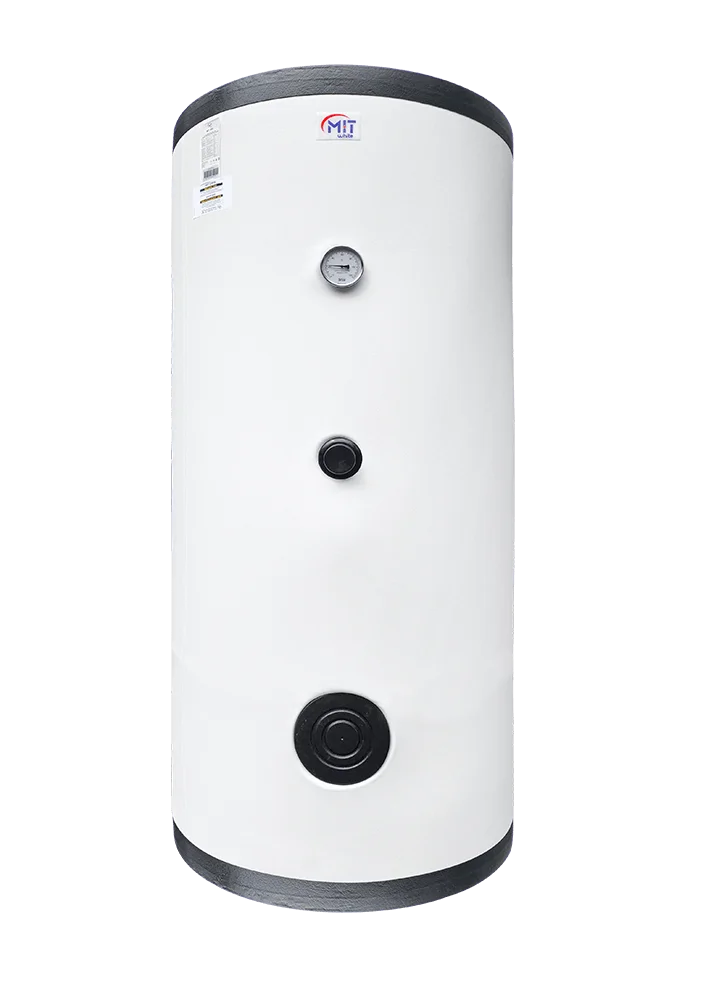
A boiler is an advanced piece of equipment used to meet hot water needs, consisting of a water tank located within its body structure and coils that heat this water. Although it appears to be a simple hot water tank, there is actually a very sophisticated engineering logic behind it. While the working principle is quite understandable at its core, it perfectly adapts to the changing needs of different sectors thanks to its technical features.
The operation of boilers is based on the principle of transferring heat from an energy source to water. The hot fluid produced by the heat source connected to the system (such as a boiler, solar collector, heat pump, or geothermal energy system) is directed into the boiler through coils. These coils perform only heat transfer without directly contacting the water. Thus, while the primary fluid (boiler water, geothermal fluid, etc.) passes through the coils, the secondary fluid, which is the usage water, heats up inside the tank.
The most important advantage of this system is that the two fluids never mix. This process, where only heat energy is transferred, enables hygienic, safe, and sustainable hot water production. Especially in the food, health, and tourism sectors, where the hygiene factor is critically important, boilers become an indispensable solution thanks to their safe structures.
The working logic of boilers can be diversified with different designs according to need. Single-coil boilers are generally preferred in smaller-scale applications connected to only one heat source. Double-coil boilers allow the integration of two different heat sources into the system simultaneously. For example, when both solar energy and boiler systems are desired to be utilized in a hotel, a double-coil boiler can be used, and the system can automatically take support from the boiler during periods when solar energy is insufficient. Thus, energy continuity is ensured uninterruptedly.
In larger-scale facilities, boilers can be used supported by accumulation tanks. This combination provides significant advantages in applications requiring high-volume hot water. The accumulation tank allows the produced hot water to be stored, enabling the system to operate more balanced and efficiently. At the same time, it reduces energy losses to a minimum, lowering the costs for businesses and contributing to the system's longer lifespan.
This flexibility offered by boiler technology makes a difference not only in residences but also in hotels, hospitals, factories, schools, and any area requiring collective use. The ability for users to access clean and reliable water at a constant temperature whenever they turn on the tap is a critical advantage in terms of comfort and continuity. Especially in large hotels, the ability for hundreds of rooms to access hot water simultaneously, or the uninterrupted supply of water necessary for sterilization in a hospital, are the most concrete examples of the strategic importance provided by boilers.
Boilers, behind their structures that appear to be simple tanks, offer a powerful engineering solution that brings together hygiene, energy efficiency, and continuity. When selected correctly and operated under suitable conditions, they provide reliable and long-term hot water supply on both individual and industrial scales.
The Role of Durability and Material Selection
The quality of the materials used in their production is one of the most critical factors for boilers to operate efficiently, safely, and with a long lifespan. Because boilers are continuously exposed to variable temperature values, high pressure, corrosion, and sometimes challenging conditions created by aggressive fluids throughout their service life. Under these conditions, ordinary or low-quality materials quickly deform, reducing the device's performance and risking operational safety. However, correctly selected and processed materials according to proper engineering standards extend the device's life and provide long-term reliability and energy efficiency for businesses.
Stainless steel is one of the most commonly used materials in boiler production. Stainless steel stands out especially due to its resistance to high temperatures, strong corrosion resistance, and hygienic structure. Therefore, it is widely preferred in areas where hygiene is prioritized, such as the healthcare sector, food industry, and residential applications. One of the most important advantages of stainless steel is that it minimizes bacterial formation on the inner surfaces that are in constant contact with water. This feature offers a reliable solution in both drinking water and usage water applications. Additionally, its ability to operate for many years without deformation reduces maintenance costs for businesses while increasing the reliability of boilers.
Another common choice is enamel-coated boilers. Enamel is a special coating material applied to the metal surface. By completely covering the inner surface, it prevents direct contact of water with metal, thus significantly reducing the risk of corrosion. Enamel coating, which is preferred in medium-scale residences, commercial buildings, and hotels, maintains hygiene standards while increasing durability. Often supported by magnesium anode rods, enamel coating provides electrochemical protection, further reducing the risk of rusting and extending the boiler's life multiple times.
For more severe conditions, titanium and copper-nickel alloys stand out. These materials are preferred especially in industrial facilities where high pressure and aggressive fluids are present. Titanium is indispensable in chemical and petrochemical facilities due to its high mechanical strength and superior resistance to chemical corrosion. Copper-nickel alloys are preferred especially in applications using seawater; because even in conditions where other metals rapidly corrode in high-salinity fluids, they exhibit long-lasting performance. For example, in ship boilers, power plants operating with seawater, or processes where salty water is used, copper-nickel material is preferred to guarantee the system's safety and durability.
Material selection not only affects the durability of the boiler but also directly impacts energy efficiency. Thanks to materials with high thermal conductivity coefficients, heat transfer from the energy source to the water in the tank occurs much faster and without loss. This situation reduces energy consumption and provides a significant cost advantage for businesses. For example, the smooth surface and high thermal conductivity capacity of stainless steel allow the system to reach the desired temperature much faster, increasing efficiency.
Additionally, the quality of the material directly determines the frequency of maintenance for boilers. Boilers produced with poor-quality materials may frequently malfunction due to issues such as scaling, cracking, or corrosion. This threatens operational continuity while increasing maintenance costs. However, high-quality materials such as stainless steel, enamel, titanium, and copper-nickel offer long-lasting use and require minimal maintenance.
The materials used in boiler production are fundamental factors that determine not only the physical durability of the device but also hygiene standards, energy efficiency, and operational safety. Since the needs of each sector and each application are different, selecting the right material is a strategic decision. This decision directly affects the device's lifespan, the energy costs of the business, and the daily comfort of users.
Protection Against Corrosion: The Importance of Enamel and Anodes
One of the biggest threats boilers may face for long-lasting operation is corrosion. On surfaces in constant contact with water, especially when high temperature and mineral density are involved, the gradual wear of metal surfaces is inevitable. At this point, the enamel coating and anode technologies used in boilers ensure the device's safety and durability.
Enamel coating is a special protective layer applied to the inner surface of boilers. This layer, baked at high temperatures, prevents direct contact of metal with water, minimizing rust and scaling. Thanks to enamel, hygienic conditions are maintained, especially in drinking water applications, and the boiler can be used for years without performance loss.
However, enamel coating alone is not always sufficient. Because even the smallest crack or microscopic defects that may occur during production can lead to water contacting the metal. Therefore, magnesium anode rods also come into play in boilers. The magnesium anode acts as a kind of "sacrificial metal." As a result of electrochemical reactions in the water, the anode rod dissolves first, thus protecting the boiler's body. In other words, the anode sacrifices itself to extend the boiler's life.
In recent years, in addition to classic magnesium anodes, longer-lasting and maintenance-free electronic anodes have also started to be used. Electronic anodes provide continuous protection, eliminating the need for anode replacement and further reducing operating costs.
These measures taken against corrosion not only increase the durability of the device but also directly affect water quality. Thanks to enamel and anode systems, the taste, smell, or chemical properties of the water do not deteriorate; this is a critical advantage, especially in food, health, and residential applications.
The combination of enamel coating and anode technology in boilers is one of the most important factors ensuring the device's hygienic and long-lasting operation. When applied correctly, these protection systems allow boilers to be used safely for decades and provide significant cost advantages to businesses.
Application Areas and Types
Boilers play a critical role in various sectors and scales, beyond just preparing hot water. Thanks to their different types and capacities, they offer reliable solutions in both residences and large industrial facilities.
Use in Residences
The need for hot water in residences is one of the most basic requirements of daily life. Especially in apartment flats, villas, and small-scale living spaces, boilers stand out as one of the most reliable solutions for centralized hot water supply. In modern life, comfort is not limited to just meeting the need for shelter; it also requires users to have hygienic, continuous, and constant-temperature water available at all times. At this point, boilers play an important role in both individual residences and centralized systems at the apartment scale.
Boilers used in residences are generally optimized to meet daily needs. By providing constant-temperature water for different usage points such as bathrooms, kitchens, and cleaning in apartments, they increase living comfort and prevent energy losses. Especially in apartments, boilers installed with a central system make it possible for all flats to access hot water simultaneously. This prevents the energy waste created by individual water heaters or instant heaters and provides safer usage.
In villas and detached residences, boilers are generally preferred with larger water tanks. Because in such structures, the need for hot water may arise for multiple bathrooms, kitchens, and even pool heating systems simultaneously. High-capacity boilers meet this demand, allowing users to access uninterrupted hot water at all times. Additionally, boiler systems supported by accumulation tanks prevent the depletion of hot water even when usage intensity increases.
In terms of energy efficiency, the use of boilers in residences offers great advantages. Especially when integrated with solar energy systems, boilers become an environmentally friendly and low-cost solution. The energy obtained from solar panels during the day is transferred to the water inside the boiler, and the stored hot water can be used even at night when needed. This system reduces users' energy bills and supports environmental sustainability by reducing carbon emissions.
In terms of hygiene, boilers are a safe alternative in residences. Stainless steel or enamel coatings used on their inner surfaces prevent direct contact of water with metal, minimizing the risk of bacterial formation. This provides a reliable hot water source, especially in residences where small children, the elderly, or people with health sensitivities are present.
Additionally, when boilers are equipped with smart control systems, they offer a user-friendly experience. Water temperature can be adjusted via digital panels, energy consumption can be optimized, and the device can automatically activate and deactivate when necessary. This increases both user comfort and energy savings.
Boilers in residences are not just a hot water storage solution but a strategic investment that enhances quality of life, reduces energy costs, and minimizes environmental impacts. In structures of all scales, from apartments to villas, they provide reliable and sustainable hot water supply for many years with the right capacity and material selection.
Use in Hotels and Hospitals
Large-scale hotels, dormitories, hospitals, and similar collective living spaces are among the structures with the highest hot water consumption. In these facilities, a high amount of hot water is needed at all hours of the day. In hotels, uninterrupted hot water supply in areas such as guest showers, spas, pools, kitchens, and laundries; in hospitals, in processes such as sterilization, cleaning, kitchens, and patient care is a critical necessity. At this point, high-capacity industrial models of boilers come into play and reliably meet the hot water needs of facilities.
In the hotel sector, customer satisfaction is largely related to comfort. In a hotel, the interruption or insufficient flow of hot water can directly negatively affect the guest experience. Therefore, boilers used in hotels are designed to quickly respond to sudden consumption fluctuations. For example, even in situations where hundreds of people take a shower simultaneously in the morning, boiler systems meet the high flow, offering uninterrupted comfort to guests. Additionally, the continuous maintenance of the desired temperature of hot water used in hotel kitchens and laundries is of great importance in terms of both hygiene standards and operational continuity.
In hospitals, hot water is not just a comfort element but also a vital necessity. The high-temperature disinfection of equipment used in operating rooms and sterilization units depends on the presence of hygienic hot water. Similarly, continuous access to hot water in patient rooms, intensive care units, and kitchen areas plays a critical role in terms of both patient health and the working conditions of healthcare personnel. Therefore, boilers used in hospitals are produced not only with high capacity but also with stainless steel or special coating materials that meet maximum hygiene standards.
One of the most important features of industrial boilers in such structures is that they provide high energy efficiency. Because in facilities of this scale, energy consumption is quite high, and a large part of operating costs is due to hot water supply. Boilers integrated with solar energy systems, cogeneration units, or boilers offer cost advantages by minimizing energy losses in meeting hot water needs. Additionally, when supported by accumulation tanks, the depletion of hot water in the system is prevented even during peak consumption hours.
Hygiene and safety are another critical element of boiler use in hotels and hospitals. To prevent waterborne bacteria risks such as Legionella, boilers ensure that water is constantly maintained at certain temperature values. Additionally, thanks to flanged structures that offer easy maintenance and cleaning, systems operate safely for many years in accordance with hygiene standards.
In hotels, hospitals, and similar high-use structures, boilers are not just hot water production equipment but also an integral part of service quality and safety. Industrial boiler systems integrated with the right capacity and material selection guarantee the operational continuity of these facilities, increase energy efficiency, and provide users with uninterrupted hot water supply under all conditions.
Use in Industrial Facilities
In industrial facilities, hot water is not just a comfort element; it is a strategic input that ensures the uninterrupted and reliable continuation of production processes. Therefore, boilers play a critical role in industrial facilities both for providing usage water and for preparing water at specific temperatures needed in processes.
Especially in the food industry, sterilization processes are of great importance to ensure hygiene standards and guarantee product safety. High-temperature water obtained from boilers is used in the sterilization of equipment, bottling machines, and hygiene areas used in food production lines. This minimizes microorganism risks during production, ensuring uninterrupted food safety. Additionally, in milk processing facilities, the constant-temperature water provided by boilers in stages such as pasteurization or bottle washing in beverage production ensures efficient and safe production.
In the chemical and petrochemical sectors, the role of boilers becomes even more critical. Because in these sectors, the preparation of sensitive mixtures at specific temperatures, the controlled conduct of reactions, and the cleaning of equipment depend on hot water. When boilers are produced from special materials resistant to high pressure and chemical effects, they can be safely used even in aggressive environmental conditions. Especially industrial boilers produced with stainless steel, titanium, or special coatings offer long-lasting and reliable solutions in such facilities.
In the textile industry, the hot water provided by boilers is used in the washing, dyeing, and finishing processes of yarns and fabrics. To ensure that colors are homogeneous and permanent, the hot water must be kept constant within a certain temperature range. Boilers meet this need, contributing to both the maintenance of quality standards and the uninterrupted operation of production lines. Additionally, thanks to their ability to meet high-volume hot water needs, they increase the efficiency of large-scale textile factories.
In heavy industry applications, the durability of boilers comes to the forefront. In sectors such as metallurgy, mining, energy production, and automotive, specially designed industrial boilers are used for systems operating under high pressure and temperature. These boilers, with capacities over 10,000 liters, can meet the hot water needs of large-scale production facilities. Additionally, when integrated with accumulation tanks, they can quickly respond to sudden increases in consumption.
Energy efficiency is also an important criterion in the use of industrial boilers. Because in large facilities, energy costs are one of the largest items of operating expenses. The integration of boilers with solar energy systems, cogeneration units, or waste heat recovery lines reduces operating costs and supports environmental sustainability.
In industrial facilities, boilers stand out not only as hot water supply equipment but also as strategic solutions that enhance production quality, guarantee operational safety, and support energy efficiency. With the right material, capacity, and design choices, boilers become a long-term and reliable investment in every sector.
Use in Energy Projects
Today, energy efficiency and sustainability are among the primary goals of both individual users and industrial organizations. Especially with the rapid spread of renewable energy sources, the effective storage and management of energy obtained from these sources have become a critical need. At this point, boilers play a strategic role in energy projects.
Solar energy systems are one of the areas where boilers are most frequently used. The heat energy collected by solar collectors is transferred to the water stored in the boiler through coils. This allows the solar energy obtained during the day to be stored in boilers and made available at all hours of the day. Especially in apartments, hotels, and industrial facilities with centralized hot water systems, boilers operating with solar energy provide significant energy savings. Additionally, they contribute to environmental sustainability by reducing the use of fossil fuels.
In geothermal energy projects, the function of boilers is even more important. When the high-temperature fluid extracted from underground is not directly usable, it is brought to the desired temperature through boilers and safely delivered to the end user. This method minimizes energy losses and contributes to the system's long lifespan. Especially in geothermal regions, boilers provide reliable and efficient solutions in residential heating, greenhouse heating, and industrial processes.
In addition, boilers have become an integral part of energy management in cogeneration and trigeneration systems. The waste heat generated during electricity production is utilized in boilers and converted into hot water. Thus, energy is not limited to electricity production alone, but also contributes to meeting heating and hot water needs. This increases energy efficiency and reduces the total energy costs of businesses.
Boilers stand out not only in hot water production but also as a critical element in the success of renewable energy projects. When integrated with solar energy, geothermal resources, and cogeneration applications, they offer sustainable solutions both economically and environmentally.
Types of Boilers
Boilers are produced in different types according to their area of use:
• Single-coil boilers: Preferred in small and medium-sized structures.
• Double-coil boilers: Offer the flexibility to use different heat sources such as both solar energy and boiler/heat pump simultaneously.
• Industrial-type boilers: Large-capacity and high-pressure-resistant models. Suitable especially for hotels, factories, and hospitals.
• Enamel-coated boilers: Provide hygienic solutions for drinking water applications.
In conclusion, the application areas of boilers are quite extensive, and each responds to sectoral expectations with types specifically designed for need. From a small apartment to a giant energy plant, boilers stand out as a reliable solution wherever hot water is needed.
Conclusion: The Strategic Importance of Boilers
Boilers are not just simple devices that produce hot water; they are critical components that ensure the continuity of modern life and industrial processes. Whether in an apartment, a giant hotel, or a large-scale industrial facility, boilers offer reliability, efficiency, and sustainability under all conditions.
In today's world, where energy costs are increasingly rising and environmental concerns are at the forefront, the energy savings, low maintenance needs, and long-lasting usage features provided by boiler technologies mean a strategic investment for businesses. Especially their ability to be integrated with renewable energy sources makes boilers an indispensable part of future energy management solutions.
Their designs suitable for hygiene standards allow them to be used safely in the food and healthcare sectors, and their durable structures offer seamless performance in harsh industrial conditions, once again proving the versatility of this technology.
The boiler solutions we develop as Ekin Industrial are designed not only to meet today's needs but also to meet the energy, efficiency, and sustainability goals of the future. Our products are customized to respond to the specific expectations of different sectors, passing through production processes in compliance with international quality standards.
In conclusion, boilers will continue to be indispensable equipment of the future with their wide range of applications from small-scale structures to giant industrial facilities, increasing energy efficiency, and offering environmentally friendly solutions. They are not just equipment; they are the most reliable companions in helping businesses achieve their goals of uninterrupted production, low cost, and sustainability.